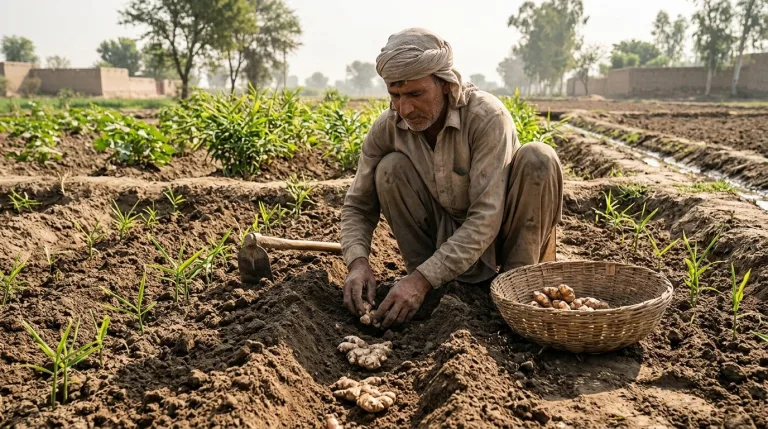
Have you ever bitten into a spicy piece of ginger in a cup of chai and wondered where it came from? That knobby, golden root doesn’t pop out of the ground overnight. Like a good story, it has a beginning, a middle, and an end, and timing matters at every step.
Here’s something surprising: ginger isn’t a seed you plant. It’s a rhizome, which is just a fancy word for an underground stem that grows sideways and stores food. Farmers plant small pieces of ginger, and each piece grows into a whole new plant. So when’s the right time to do it?
Let’s walk through the ginger growing season from start to finish, so you’ll know exactly when ginger gets planted, how it grows, and when it’s ready to harvest.
Why Does Timing Matter So Much?
Think about wearing a heavy winter jacket to the beach. Silly, right? You’d be uncomfortable because the weather doesn’t match what you’re doing. Plants feel the same way about their growing conditions.
Ginger is a tropical plant, which means it loves warm, wet weather. It grows best when temperatures stay between about 25°C and 30°C, with plenty of moisture in the air and soil. If it gets too cold, the plant slows down or even dies. If the soil dries out completely, the roots stay small and weak.
That’s why farmers watch the calendar and the weather very carefully before planting.
When Do Farmers Plant Ginger?
In South Asia, including Pakistan and India, the best time to plant ginger is usually in spring, from around March to May. Some regions with plenty of rain start a little later, in the early monsoon season.
Why spring? By then the cold winter nights are gone, the soil has warmed up, and the monsoon rains aren’t too far away. It’s like setting the table before dinner guests arrive. The plant gets a warm, welcoming home right when it needs it.
Did you know? Ginger planted too early in cold soil can rot before it even sprouts. That’s why patient farmers wait for warmth.
What Happens After Planting?
Once the small ginger pieces go into the soil, here’s the timeline you can expect:
- Weeks 1 to 4: Tiny buds called “eyes” slowly wake up and push through the soil. Ginger is a slow starter, so don’t panic if nothing seems to happen at first!
- Months 2 to 4: Green shoots grow tall, looking a bit like bamboo leaves. Meanwhile, the rhizomes under the ground start spreading and getting fatter.
- Months 5 to 7: The plant puts most of its energy into growing the root. This is the big bulking-up stage, like a student who studies all week before a big exam.
- Months 8 to 9: The leaves turn yellow and start to dry. That’s the plant’s way of saying, “I’m finished!”
The whole process takes roughly eight to nine months, which is a lot longer than a tomato or a radish. Ginger rewards patience.
What Does Ginger Need to Grow Well?
Even with perfect timing, ginger still needs a few things to be happy. Think of it as a checklist for the perfect plant home:
- Loose, rich soil. Imagine trying to push your hand through wet cement versus fluffy sand. Ginger roots need soft, crumbly soil so they can spread out easily.
- Good drainage. Ginger likes water, but it hates sitting in a puddle. Soggy soil makes the rhizomes rot, a bit like leaving your sneakers in water for days.
- Partial shade. Too much hot, direct sunlight can scorch the leaves. A little shade from taller crops or trees keeps the plant comfortable.
- Regular watering. Soil should stay lightly moist, like a wrung-out sponge, never bone dry and never dripping.
When Is Ginger Ready to Harvest?
Here’s a fun twist: farmers can actually harvest ginger at two different times, depending on how they want to use it.
Early harvest (around 5 to 6 months): The ginger is young, tender, and mild. It has thin skin and a softer, juicier taste. It’s often used for pickles and fresh snacks.
Full harvest (around 8 to 9 months): The ginger is mature, with thick skin and a strong, spicy kick. This is the kind you usually see in kitchens and markets, perfect for cooking and drying.
You’ll know it’s time for the full harvest when the leaves turn yellow and flop over. Farmers then carefully dig up the rhizomes, wash off the soil, and let them dry a bit before selling.
Can You Grow Ginger at Home?
Absolutely! You don’t need a big farm. Grab a fresh piece of ginger with little bumps on it, place it in a large pot with good soil, and keep it in a warm, partly shady spot. Water it gently, and be patient. In a few weeks, you might see green shoots poking up. Starting in spring gives you the best chance of success.
Wrapping It Up
So, what have we learned about the ginger growing season? Ginger loves warmth, so spring is the best planting time. It takes about eight to nine months to grow, and you can harvest it young for a mild taste or mature for a strong, spicy flavor. With loose soil, good drainage, and a little shade, this amazing root can thrive.
The next time you sip ginger tea or taste a spicy curry, remember the long journey behind that little piece of root. It took months of sunshine, rain, and patient farming to reach your plate.
Now here’s something to think about: if you could plant any root or vegetable in your own backyard this spring, what would you choose to grow?