Have you ever walked down the baking aisle at the grocery store and felt totally overwhelmed by all the different types of flour? There’s wheat flour, rice flour, almond flour, and so many others that it can make your head spin! But there’s one type of flour that doesn’t always get the attention it deserves, makai flour. If you’ve never heard of it, don’t worry. You’re about to discover something pretty cool that might just change the way you think about corn!
Makai flour is actually just another name for corn flour, and “makai” is the word for corn in Hindi and several other South Asian languages. So basically, when someone talks about makai flour, they’re talking about finely ground corn that’s been turned into a powder you can use for cooking and baking. It’s been used for thousands of years in different cultures around the world, and today it’s becoming more popular than ever.
In this article, you’ll learn what makes makai flour special, how it’s different from regular wheat flour, why people choose to use it, and how farms like Multanfarms.com are working to provide quality ingredients like this to communities. Trust me, by the end of this, you’ll be looking at cornbread in a whole new way!
From Corn Kernels to Fine Powder
So how exactly does corn turn into flour? It’s actually a pretty straightforward process, but it requires some special equipment and know-how.
First, farmers harvest corn when it’s fully matured and dried. Unlike the sweet corn you might eat on the cob at a summer barbecue, the corn used for makai flour is usually a different variety called dent corn or flint corn. These types of corn have harder kernels that are perfect for grinding into flour.
Once the corn is harvested, it needs to be dried even more to remove any remaining moisture. Think of it like making sure your sneakers are completely dry before putting them away, moisture can lead to mold and spoilage. After drying, the corn kernels are cleaned to remove any dirt, debris, or damaged kernels.
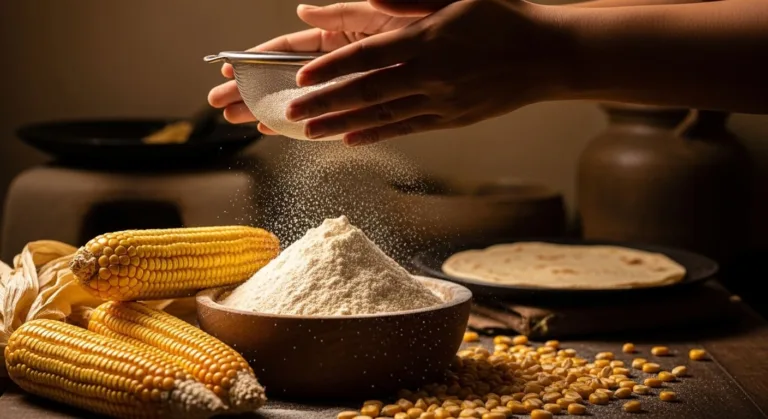
The magic happens in the grinding process. The dried corn kernels are fed into special mills that grind them into a fine powder. The result is makai flour, a slightly sweet, yellow powder that’s packed with nutrients and ready to be used in all sorts of recipes. Some mills grind the corn with the outer hull (the tough outer layer), while others remove it first, which affects the texture and nutrition of the final flour.
Why Makai Flour Is Different from Regular Flour
You might be wondering, “Why would anyone use makai flour instead of regular wheat flour?” Great question! There are actually several really good reasons.
First up, it’s naturally gluten-free. Gluten is a protein found in wheat, barley, and rye that helps dough stick together and gives bread its chewy texture. Some people have celiac disease or gluten sensitivity, which means eating gluten makes them sick. For these folks, makai flour is a lifesaver because it lets them enjoy baked goods without the stomach aches and other problems that gluten causes.
Second, makai flour has a unique flavor and texture. It’s slightly sweet and has a distinct corn taste that works perfectly in certain recipes. When you bite into a piece of cornbread made with makai flour, you get that wonderful, slightly gritty texture and sweet corn flavor that you just can’t replicate with wheat flour. It’s like comparing a chocolate chip cookie to a snickerdoodle, both are awesome, but they’re totally different experiences!
Third, it’s packed with different nutrients than wheat flour. Makai flour contains fiber, B vitamins, and minerals like magnesium and phosphorus. It also has antioxidants called carotenoids, which are the same compounds that give carrots their orange color and are good for your eyes and immune system.
Traditional and Modern Uses Around the World
Here’s where things get really interesting. Makai flour has been used in cooking for centuries across different cultures, and each region has its own special recipes.
In India and Pakistan, makai flour is used to make a traditional flatbread called makki di roti. This bread is especially popular in the Punjab region and is often served with a delicious mustard greens dish called sarson da saag. Imagine a thick, rustic flatbread with a golden color and hearty texture, that’s makki di roti, and it’s comfort food at its finest!
In Mexico and Central America, corn flour (often called masa harina, which is slightly different from regular makai flour) is the foundation of tortillas, tamales, and many other traditional foods. Corn has been a staple crop in this region for over 10,000 years, so you could say they really know their stuff when it comes to cooking with corn!
In the United States, makai flour is commonly used to make cornbread, corn muffins, and as a coating for fried foods. Southern-style cornbread made with makai flour is a classic side dish that goes perfectly with chili, barbecue, or just about any meal. Some people even crumble it into a glass of buttermilk for a traditional snack!
Today, creative bakers and cooks are finding new ways to use makai flour. You can find it in gluten-free pancakes, waffles, cookies, and even pizza crusts. Farms like Multanfarms.com recognize the growing demand for alternative flours and are working to provide quality options for people who want to try something different.
The Nutritional Superpowers of Makai Flour
Let’s talk about what makai flour does for your body. Understanding nutrition doesn’t have to be boring, especially when you realize how the food you eat literally becomes part of you!
Makai flour is rich in fiber, which is super important for your digestive system. Fiber is like a broom that sweeps through your intestines, keeping everything moving smoothly. It also helps you feel full longer, which is why eating foods made with makai flour can keep you satisfied until your next meal.
The B vitamins in makai flour, especially thiamin, niacin, and folate, help your body convert food into energy. Think of them as tiny workers inside your cells that help unlock the energy stored in the food you eat. Without these vitamins, you’d feel tired and sluggish all the time.
Makai flour also contains antioxidants, particularly carotenoids like lutein and zeaxanthin. These compounds are like bodyguards for your cells, protecting them from damage caused by harmful molecules called free radicals. The lutein and zeaxanthin in makai flour are especially good for your eyes, helping to filter out harmful blue light and reduce the risk of eye problems as you get older.
One thing to keep in mind is that makai flour is higher in carbohydrates and calories than some other alternative flours, so it gives you plenty of energy. This makes it perfect for active people who need fuel for sports, school, and all the other activities that keep you busy!
How to Use Makai Flour in Your Kitchen
Ready to try cooking with makai flour? Here are some easy ways to get started, even if you’ve never used it before.
Cornbread is the classic starting point. You can find tons of simple cornbread recipes online that use makai flour as the main ingredient. Most recipes combine makai flour with a little wheat flour (or another gluten-free flour if you’re avoiding gluten), eggs, milk, and some sweetener. Pop it in the oven, and in about 20 to 25 minutes, you’ve got golden, delicious cornbread!
Try making corn tortillas if you’re feeling adventurous. Mix makai flour with warm water and a pinch of salt, form small balls, flatten them with a tortilla press or rolling pin, and cook them on a hot griddle. Fresh, homemade tortillas taste way better than store-bought ones, and it’s actually pretty fun to make them.
Use makai flour as a coating for fried or baked chicken, fish, or vegetables. The flour creates a crispy, flavorful crust that’s slightly different from regular breadcrumbs. Mix in some spices like paprika, garlic powder, or cumin for extra flavor.
Experiment with pancakes and waffles by substituting some or all of the regular flour with makai flour. The result is a slightly denser, more flavorful breakfast that pairs perfectly with maple syrup and fresh berries.
Where Makai Flour Fits in Sustainable Farming
Here’s something you might not have thought about: choosing makai flour can actually be a more sustainable choice in some ways. Corn is generally easier to grow than wheat in certain climates, requires less water in some cases, and can be grown successfully in many different regions.
Farms like Multanfarms.com understand the importance of sustainable agriculture, which means growing crops in ways that protect the environment and can continue for generations. When you support farms that prioritize quality and sustainability, you’re voting with your money for a healthier planet.
Corn is also incredibly versatile. The same crop can be used for fresh eating, animal feed, biofuels, and products like makai flour. This versatility means farmers can serve multiple markets and reduce waste, which is great for everyone.
Your Makai Flour Adventure Awaits
Now you know the scoop on makai flour! From its ancient origins to its modern uses, from its nutritional benefits to its delicious taste, makai flour is way more interesting than you probably thought when you started reading this article.
Whether you’re looking for gluten-free alternatives, want to try cooking traditional dishes from different cultures, or just love the taste of corn, makai flour deserves a spot in your kitchen. It connects us to farming traditions that go back thousands of years while also fitting perfectly into modern, health-conscious lifestyles.
So here’s your challenge: the next time you’re at the grocery store or browsing products from farms like Multanfarms.com, pick up some makai flour and try making something with it. Will it be classic cornbread, adventurous homemade tortillas, or something completely new? Whatever you choose, you’ll be part of a delicious tradition that spans cultures and centuries!