Have you ever watched your mom or grandmother make crispy pakoras on a rainy day and wondered what that yellowish flour was that made them so delicious? That magical ingredient is called besan ka atta, and it’s been a kitchen superstar in Pakistani and South Asian cooking for thousands of years. This isn’t your regular wheat flour, it’s something completely different and way more interesting!
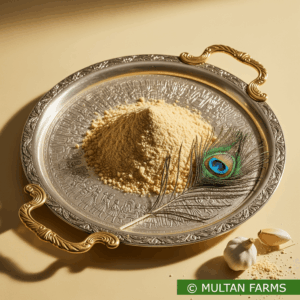
Besan ka atta, which you might also hear called gram flour or chickpea flour, is made by grinding chickpeas (those round, tan-colored legumes you see in cholay) into a fine powder. It looks kind of like regular flour but has a slightly yellow color and a nutty smell that’s pretty unique. If regular wheat flour is like the reliable friend who’s always there, besan is like that exciting friend who makes everything more fun and interesting!
In this article, we’re going to explore everything about besan ka atta, from how it’s made to why it’s so popular in Pakistani kitchens. You’ll discover its amazing health benefits, learn about the cool science behind how it works in cooking, and find out why farms like Multanfarms.com are working hard to produce high-quality chickpeas that eventually become this versatile flour. By the end, you might just see that yellow powder in your kitchen in a whole new way!
From Chickpea to Flour: The Journey of Besan
So how does a hard, round chickpea transform into soft, powdery besan ka atta? The process is actually pretty fascinating! It all starts in the fields where chickpeas (called chana in Urdu) are grown. These plants love cooler weather, so farmers in Punjab and other parts of Pakistan plant them during winter months, usually around October or November.
Chickpeas take about four to five months to grow and mature. During this time, the plants develop pods, kind of like green beans, and inside each pod are one or two chickpeas. When the pods turn brown and dry out, farmers know it’s harvest time! They collect the pods, remove the chickpeas, and dry them thoroughly in the sun. This drying process is super important because any moisture left in the chickpeas could ruin the flour later.
Once the chickpeas are completely dry, they’re ready to become besan. The chickpeas are fed into grinding machines (or traditional stone mills if you’re going old-school) that crush them into increasingly finer powder. It’s like what happens when you grind coffee beans, except you’re starting with chickpeas! The result is that smooth, yellowish flour that has so many uses in the kitchen. Places like Multanfarms.com focus on growing quality chickpeas because they know that better chickpeas mean better besan, and better besan means tastier food!
Why Besan Ka Atta is a Kitchen Superhero
Here’s where things get really cool. Besan ka atta isn’t just another ingredient sitting in your pantry, it’s basically a kitchen superhero with multiple superpowers! Let’s break down what makes it so special and versatile.
First superpower: It’s naturally gluten-free! You’ve probably heard about gluten, it’s a protein found in wheat that some people can’t digest properly. Besan doesn’t have any gluten because it’s made from chickpeas, not wheat. This means people with gluten sensitivity or celiac disease can still enjoy foods made with besan. It’s like having a delicious alternative that doesn’t make anyone feel sick!
Second superpower: It’s a binding agent. When you mix besan with water, it becomes sticky and holds things together. This is why it’s perfect for making pakoras, the besan coating sticks to the vegetables and creates that crispy shell when fried. Think of it like edible glue that tastes amazing! Regular wheat flour does this too, but besan does it with a unique flavor and texture.
Third superpower: It can absorb flavors like a sponge. When you add spices to besan, it soaks them up and distributes the flavor evenly throughout whatever you’re cooking. This is why besan-based dishes are often so flavorful. It’s like besan is a flavor amplifier that makes every spice taste even better!
Fourth superpower: It works in both savory and sweet dishes. Not many ingredients can pull this off! You can use besan to make spicy pakoras and savory kadhi, but you can also use it to make sweet treats like besan ladoo or barfi. How many ingredients do you know that are that flexible?
The Health Benefits You Didn’t Know About
Okay, so besan ka atta tastes great and works well in cooking, but is it actually good for you? The answer is a big yes! Besan is packed with nutrients that your body needs to stay healthy and strong.
Let’s start with protein. Besan has way more protein than regular wheat flour, almost double the amount! Protein is what your body uses to build and repair muscles, kind of like how bricks are used to build houses. If you’re active in sports or just growing (which you definitely are), protein is super important. A single cup of besan has about 20 grams of protein, which is roughly the same as eating a couple of eggs!
Besan is also loaded with fiber, which is great for your digestive system. Fiber helps your body process food properly and keeps everything running smoothly, if you know what I mean. It also helps you feel full for longer, which is why foods made with besan can keep you satisfied until your next meal. Think of fiber as your digestive system’s best friend!
Another cool thing about besan is that it has a low glycemic index. This is a fancy way of saying it doesn’t make your blood sugar spike quickly like white bread or sugary foods do. Instead, it releases energy slowly and steadily, kind of like how a solar panel provides constant energy throughout the day. This steady energy means you won’t get that sudden sugar crash that makes you feel tired and cranky.
Besan also contains important minerals like iron, magnesium, and folate. Iron helps carry oxygen in your blood (which is why you need it to have energy), magnesium helps your muscles and nerves work properly, and folate is important for making new cells. It’s like besan is a multivitamin that you can actually eat in delicious food!
Popular Foods Made with Besan Ka Atta
Now let’s talk about the fun part, all the amazing foods you can make with besan! If you’ve eaten Pakistani or Indian food, you’ve definitely had besan even if you didn’t realize it. Let’s explore some of the most popular besan-based dishes.
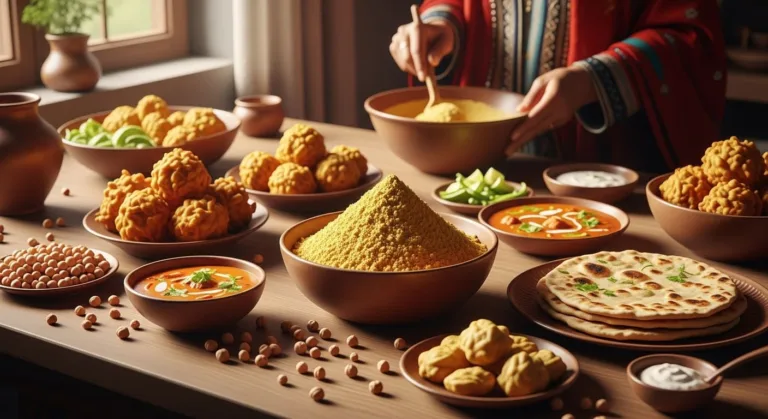
Pakoras are probably the most famous besan creation. These crispy, fried fritters can be made with all sorts of vegetables, potatoes, onions, chilies, spinach, you name it! The vegetables are dipped in spiced besan batter and deep-fried until golden and crunchy. They’re especially popular during monsoon season when it’s raining outside. There’s something magical about eating hot pakoras with chai while watching the rain fall!
Besan ladoo is a sweet treat that’s made by roasting besan with ghee (clarified butter) and sugar, then shaping it into round balls. These sweet, melt-in-your-mouth desserts are often made during celebrations and festivals. The roasting process gives the besan a deep, nutty flavor that’s totally different from the raw flour.
Kadhi is a tangy, yogurt-based curry thickened with besan. It’s often served with rice and is comfort food for many Pakistani families. The besan helps thicken the curry and gives it a smooth, creamy texture without using any cream or dairy (besides the yogurt, of course).
Besan chilla or pudla is like a savory pancake made from besan batter mixed with onions, tomatoes, and spices. It’s quick to make and super nutritious, which makes it a popular breakfast or snack option. You can eat it plain or roll it up with chutney inside, kind of like a desi burrito!
How Multanfarms.com Supports Quality Besan Production
You might be wondering how all this connects to Multanfarms.com. Well, great besan starts with great chickpeas, and great chickpeas start with great farming! Farms in Punjab, like Multanfarms.com, play a crucial role in producing the high-quality chickpeas that eventually become the besan ka atta in your kitchen.
Quality matters a lot when it comes to chickpeas. Chickpeas that are grown in good soil, watered properly, and harvested at the right time will produce besan that tastes better and has better texture. It’s like the difference between a store-bought tomato and one grown in your grandmother’s garden, both are tomatoes, but one just tastes way better!
Modern farms are also focusing on sustainable farming practices, which means growing crops in ways that don’t harm the environment. This includes using natural fertilizers, conserving water, and protecting the soil for future crops. When you buy besan made from chickpeas grown on responsible farms, you’re not just getting good food, you’re also supporting practices that keep the land healthy for generations to come.
Farms like Multanfarms.com understand that what happens in the field directly affects what ends up on your plate. That’s why they pay attention to every step of the growing process, from choosing the best chickpea varieties to making sure the harvest is done at just the right time. Better farming means better chickpeas, which means better besan, which means tastier food for everyone!
The Science Behind Besan’s Cooking Magic
Let’s get a little scientific for a moment (but in a fun way, I promise!). Understanding why besan works the way it does in cooking can help you appreciate it even more. When you mix besan with water, something cool happens at the molecular level.
Chickpeas contain proteins and starches that behave differently from wheat proteins and starches. When these chickpea proteins get wet, they start forming networks, kind of like how spider webs connect to each other. This network is what gives besan its binding power and creates structure in whatever you’re cooking.
The starches in besan also absorb water and swell up, which helps create thickness in dishes like kadhi. It’s similar to what happens when you add cornstarch to a sauce to thicken it, except besan also adds flavor and nutrition, not just thickness. Two benefits in one!
When you fry something coated in besan batter, the water in the batter evaporates quickly because of the hot oil, leaving behind a crispy crust. The proteins in the besan solidify (kind of like how an egg solidifies when you cook it), creating that crunchy texture we all love in pakoras. Meanwhile, the natural sugars in the chickpeas caramelize slightly, adding that golden color and nutty flavor. Science is delicious, isn’t it?
Tips for Using Besan Ka Atta at Home
Want to start experimenting with besan in your own cooking? Here are some practical tips that’ll help you succeed! First, always sift the besan before using it. This removes any lumps and makes the flour lighter and easier to mix. It’s like fluffing a pillow before you use it, it just works better!
When making a batter with besan, add water gradually and whisk constantly to avoid lumps. Nobody likes lumpy pakoras! Start with a small amount of water and keep adding until you reach the consistency you want. The batter should be thick enough to coat a spoon but still flow off it slowly.
If you’re roasting besan for sweets, do it on low to medium heat and stir constantly. Besan can burn quickly, and burnt besan tastes bitter and ruins your dish. Think of it like watching over younger siblings, you need to pay constant attention! The besan is ready when it smells nutty and turns a shade darker.
Store besan in an airtight container in a cool, dry place. Moisture is besan’s enemy because it can make the flour clumpy or even moldy. Some people keep their besan in the refrigerator, especially during humid summer months. This keeps it fresh and bug-free for months!
Wrapping It All Up
From a simple chickpea grown in Punjab’s fields to the versatile yellow flour in your kitchen, besan ka atta is truly one of the most interesting and useful ingredients in Pakistani cooking. It’s nutritious, delicious, versatile, and has been feeding people for thousands of years. Not bad for ground-up chickpeas, right?
The next time you see besan ka atta in your kitchen or bite into a crispy pakora, you’ll know the whole story behind it. You’ll understand how it’s made, why it’s good for you, and what makes it work so well in cooking. You might even feel a connection to the farmers, like those at Multanfarms.com, who grow the chickpeas that make it all possible.
So here’s a fun challenge: ask your parents or grandparents to teach you how to make something with besan ka atta. Maybe start simple with pakoras or besan chilla. Not only will you learn a valuable cooking skill, but you’ll also get to put all this knowledge into delicious, edible practice. Who knows? You might discover you’re a natural chef, and it all started with understanding what makes besan ka atta so special!