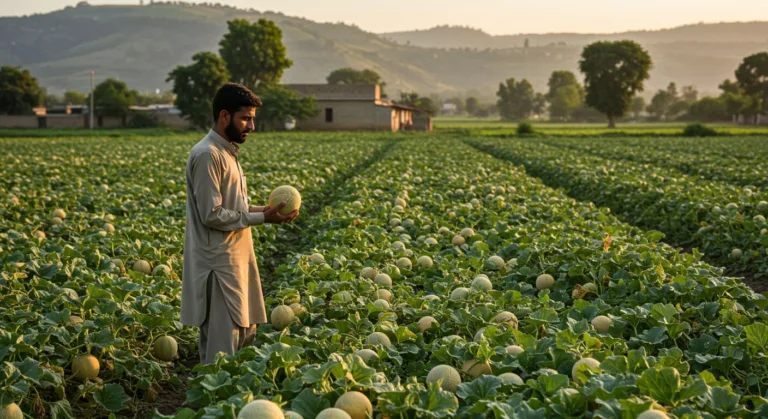
Have you ever bitten into a juicy, sweet melon on a hot day and felt like you were tasting summer itself? In Pakistan, melons are like nature’s candy, bursting with flavor and cooling you down when the sun is blazing. Right now, on October 6, 2025, the melon season is winding down, but the memory of those delicious fruits lingers in markets and on farms like those at Multanfarms.com. These refreshing treats are a big deal, especially in places like Multan, where the soil and sun team up to grow some of the tastiest melons around.
Melons, like watermelons and muskmelons, have a special time to shine in Pakistan, and it’s not just about eating them—it’s about how they grow, who grows them, and why they’re so loved. In this article, we’ll dive into when and how melons thrive in Pakistan, why Multan is a melon hotspot, and what makes these fruits so awesome. Get ready for some fun facts and a peek into the world of melons that’ll make you hungry for more!
When Is Melon Season in Pakistan?
In Pakistan, melon season typically runs from late spring to early autumn, peaking between May and September. Think of it like the time when melons throw a big party under the sun, soaking up warmth to grow sweet and juicy. By October, the season is wrapping up, but you can still find some late-blooming melons in markets, especially in warm areas like Multan.
The hot, sunny days of summer, with temperatures often hitting 35-40°C, are perfect for melons to grow big and tasty. Farmers plant seeds in March or April, and by June, fields are bursting with green-striped watermelons and golden muskmelons. Did you know that Pakistan grows millions of tons of melons each year? That’s enough to fill a whole stadium with these refreshing fruits!
Why Multan Is a Melon Paradise
Picture a wide, sunny field in Multan, with rows of melon vines sprawling like a green carpet. Multan, known for its rich, fertile soil thanks to the Chenab River, is a superstar when it comes to growing melons. The region’s hot climate and sandy loam soil are like a cozy bed for melon seeds, helping them grow into plump, delicious fruits.
At places like Multanfarms.com, farmers know exactly how to care for their melon crops. They plant seeds in neat rows, give them plenty of water, and let the sun do its magic. It’s like baking a cake—you need the right ingredients (soil, water, and sun) and a lot of patience to get that perfect, sweet result. Multan’s melons are so famous that they’re shipped all over Pakistan and even beyond!
What Kinds of Melons Grow in Pakistan?
Pakistan is home to a variety of melons, each with its own unique flavor and vibe. It’s like a fruit party where everyone brings something different to the table! Here are the main types you’ll find:
- Watermelons: These are the big, green-striped giants with juicy, pinkish-red flesh. They’re like a water balloon of sweetness, perfect for hot days.
- Muskmelons (Kharbuza): Golden and netted on the outside, these melons are super sweet and smell amazing, like a fruity perfume.
- Honeydew: Less common but still delicious, these have pale green flesh and a milder, refreshing taste.
- Local varieties: Some areas grow special melons, like the “Sarda” in Punjab, which are extra sweet and loved by locals.
Ever tried slicing a watermelon and hearing that satisfying crunch? That’s the sound of summer in Pakistan, and each type of melon adds its own flavor to the season.
How Do Farmers Grow Melons?
Growing melons is like raising a pet—it takes care, attention, and a little love. Farmers start by picking a sunny spot and preparing the soil, making it loose and rich, kind of like fluffing up a pillow before you sleep. They plant melon seeds in spring, when the ground is warm, and water them regularly using irrigation channels or drip systems, like giving the plants a steady sip of water.
Melons need about 80-100 days to grow from seed to fruit, soaking up sunshine to make their sugars. Farmers in Multan keep an eye out for pests, like tiny bugs that might munch on the leaves, and use natural tricks to keep them away. By summer, the vines are loaded with melons, ready to be picked and sent to markets. It’s hard work, but when you taste that first bite of a ripe melon, you know it’s worth it!
Why Are Melons So Special in Pakistan?
Melons aren’t just a snack—they’re a big part of life in Pakistan. On a hot day, nothing beats a chilled slice of watermelon to cool you down, like a natural air conditioner in your mouth. They’re also packed with water and nutrients, keeping you hydrated and healthy when the sun is relentless.
In rural areas, melons are a treat everyone can afford, and families often share them during meals or picnics. At festivals or gatherings, you might see a big pile of watermelons, inviting everyone to dig in. Plus, melons support farmers’ livelihoods—growing and selling them keeps places like Multan buzzing with activity. Did you know that watermelons are about 92% water? That’s why they’re so refreshing, like drinking a fruit!
Challenges of Melon Season
Growing melons sounds fun, but it’s not always a picnic. Farmers face some tough challenges, like trying to win a game with tricky obstacles. Here are a few hurdles they tackle:
- Hot weather risks: Too much heat can stress melon plants, like when you’re tired after running in the sun.
- Water needs: Melons love water, but too little or too much can ruin the crop.
- Pests and diseases: Bugs or fungi can attack vines, so farmers have to play detective to protect their plants.
- Market timing: Getting melons to market while they’re ripe is a race against time, like delivering a pizza before it gets cold.
In Multan, farmers use smart tricks, like drip irrigation to save water or special nets to keep bugs away. It’s like they’re superheroes, saving the melon season one vine at a time!
Fun Melon Facts to Wow Your Friends
Want to sound like a melon expert? Here are some cool facts to share:
- Seed-spitting champs: Watermelons have seeds perfect for spitting contests—some people can shoot them over 20 feet!
- Ancient fruits: Melons have been grown for thousands of years, even in ancient Egypt, where they were a royal treat.
- Multan’s melon fame: Multan’s muskmelons are so sweet they’re sometimes called “sugar melons” by locals.
- Melon art: In some places, people carve watermelons into cool shapes, like fruit sculptures for festivals!
Next time you’re at a market, look for a Multan melon and think about the sunny fields it came from. It’s like holding a piece of summer in your hands.
Why Melons Matter to You
Melons are more than just a tasty treat—they’re a slice of Pakistan’s summer soul. From the fields of Multanfarms.com to your local market, these fruits bring people together, whether you’re sharing a watermelon at a family barbecue or grabbing a muskmelon for a quick snack. They’re a reminder of how farmers work with nature to grow food that keeps us happy and healthy.
As melon season winds down in October 2025, think about the journey those fruits took to reach you. Maybe you’ll try planting a melon seed in a pot to see how it grows, or maybe you’ll just savor that next juicy bite a little more. So, what’s your favorite way to enjoy a melon—straight from the fridge or blended into a smoothie? And how can you thank the farmers who make it all possible?