Picture this: it’s a scorching hot day, sweat is dripping down your face, and all you can think about is biting into a cold, juicy slice of watermelon. That sweet, refreshing taste is basically summer in fruit form! But have you ever wondered when these giant fruits are actually grown in Pakistan? If you’ve ever seen those massive watermelons at your local fruit market and thought, “Where do these come from and when do they grow?” you’re about to find out.
Pakistan is actually one of the world’s top watermelon producers, and there’s a specific time of year when farmers work hard to grow these delicious fruits. Understanding the watermelon growing season isn’t just interesting, it also helps explain why watermelons taste better at certain times of the year and why prices change throughout the seasons. Let’s dive into the fascinating world of watermelon farming in Pakistan!
What Makes Watermelons Special in Pakistan?
Before we talk about when watermelons grow, let’s understand why Pakistan is such a great place for them. Watermelons are like that friend who absolutely loves hot weather, they thrive in warm, sunny conditions. Pakistan’s climate, especially in regions like Punjab and Sindh, provides the perfect environment for these fruits to grow big and sweet.
Think of watermelons as solar-powered plants. They need lots of sunshine to produce the sugar that makes them taste so good. The more sun they get, the sweeter they become. Pakistan’s long, hot summers give watermelons exactly what they need to develop that perfect flavor. In fact, areas like Multan are famous for producing some of the sweetest watermelons you’ll ever taste, and MultanFarms.com is one of the sources helping bring these delicious fruits to markets.
When Do Farmers Plant Watermelon Seeds?
The watermelon growing season in Pakistan actually starts much earlier than you might think. Farmers typically plant watermelon seeds between January and March. You might be wondering, “Wait, isn’t it still pretty cool in January?” You’re absolutely right! But here’s the clever part: farmers plant the seeds when it’s cooler because watermelons take about 80 to 100 days to fully grow.
It’s like planning a surprise party, you need to start preparing way before the actual event. By planting in late winter or early spring, farmers ensure their watermelons will be ready to harvest right when the hot summer arrives. During these early months, the young watermelon plants are establishing their roots and growing their vines. They’re basically building their foundation before the real growth spurt happens.
The Peak Growing Season: Spring into Summer
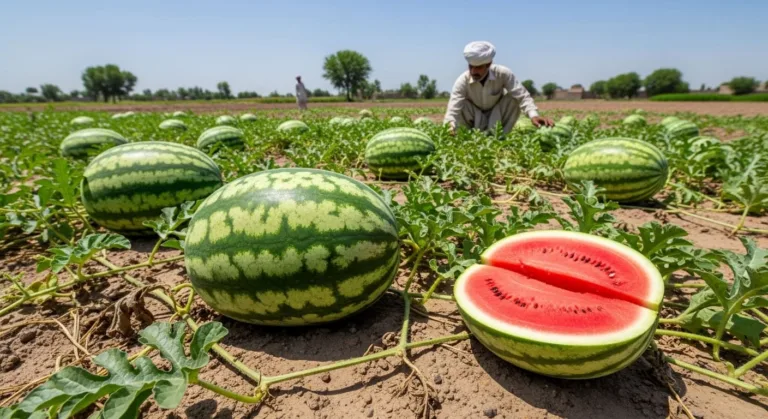
As March transitions into April and May, something magical happens in watermelon fields across Pakistan. The temperature starts rising, the days get longer, and those tiny watermelon plants transform into sprawling vines covered with growing fruits. This period from April to June is when watermelons do most of their growing.
During these months, watermelon plants are like teenagers going through a growth spurt. They can grow incredibly fast when conditions are right! The warm soil temperature (ideally between 70°F and 90°F) combined with plenty of sunshine creates the perfect recipe for watermelon success. Farmers need to be extra careful during this time, making sure the plants get enough water without drowning them. It’s a delicate balance, kind of like watering a houseplant, too little and it wilts, too much and the roots rot.
Harvest Time: When Watermelons Are Ready
The most exciting time of the year for watermelon farmers (and for all of us who love eating them!) is the harvest season, which typically runs from May through August in Pakistan. This is when you’ll see the most watermelons in markets and when they’re usually at their cheapest and tastiest.
But how do farmers know when a watermelon is ready to pick? It’s not like the fruit comes with a timer! Experienced farmers look for several signs. They check the color of the spot where the watermelon sits on the ground, it should be creamy yellow, not white. They also listen for a deep, hollow sound when they tap the watermelon, kind of like knocking on a door. Some farmers even look at the curly tendril near the watermelon’s stem. When it dries up and turns brown, that’s nature’s way of saying “I’m ready!”
Different Regions, Slightly Different Seasons
Here’s something interesting: Pakistan is a big country with different climate zones, so the watermelon season isn’t exactly the same everywhere. In southern regions like Sindh, where it gets hot earlier in the year, watermelons might be ready for harvest as early as late April. But in northern areas where it stays cooler longer, the season might start a bit later, around June.
Think of it like school schedules in different parts of the world, everyone learns the same subjects, but the timing might be slightly different based on local conditions. Multan, located in the heart of Punjab, hits the sweet spot with its climate. The region’s hot, dry summers and the expertise of local farmers make it an ideal location for growing premium watermelons that are shipped across the country.
Why Seasonal Growing Matters to You
You might be thinking, “Okay, this is cool and all, but why should I care about when watermelons are grown?” Great question! Understanding the growing season actually affects your life more than you’d think. First, watermelons taste way better when they’re in season. A watermelon picked in June after growing in perfect conditions tastes incredibly different from one that’s been stored for months or imported from far away.
Second, buying watermelons during peak season (May to August in Pakistan) means you’re getting them at the best price. When there are lots of watermelons available, prices go down. It’s basic supply and demand, something you might be learning about in social studies class! Plus, buying seasonal fruit is better for the environment because it doesn’t have to be transported from far away or stored in energy-consuming refrigerators for long periods.
The Science Behind Sweet Watermelons
Want to know a cool secret? The sweetness of a watermelon depends heavily on when and how it’s grown. During the peak growing season in Pakistan (April through June), watermelons get the maximum amount of sunlight. This sunlight is converted into natural sugars through photosynthesis, the same process you learn about in science class where plants turn light into energy.
The longer a watermelon can stay on the vine during sunny weather, the sweeter it becomes. That’s why watermelons grown and harvested during Pakistan’s hot summer months tend to be sweeter than those grown in cooler seasons or cooler climates. It’s like the difference between sun-dried tomatoes and regular tomatoes, the sun just makes things taste better!
Wrapping It All Up
So, to answer our original question: the watermelon growing season in Pakistan runs from January (when seeds are planted) through August (when the last harvests happen), with the peak harvest season being May through July. This timeline gives us those perfect, sweet, refreshing watermelons right when we need them most during the hot summer months.
The next time you bite into a juicy slice of watermelon on a hot day, you’ll know there’s a whole journey behind that fruit. From farmers carefully planting seeds in the cooler months to nurturing plants through spring and finally harvesting perfectly ripe watermelons in the summer heat, it’s a process that takes skill, patience, and perfect timing. Pretty amazing when you think about it, right?
Here’s something to think about: How might climate change affect Pakistan’s watermelon growing season in the future? As our planet’s weather patterns shift, will watermelon farmers need to adjust when they plant and harvest? It’s a question that scientists and farmers are already starting to explore!