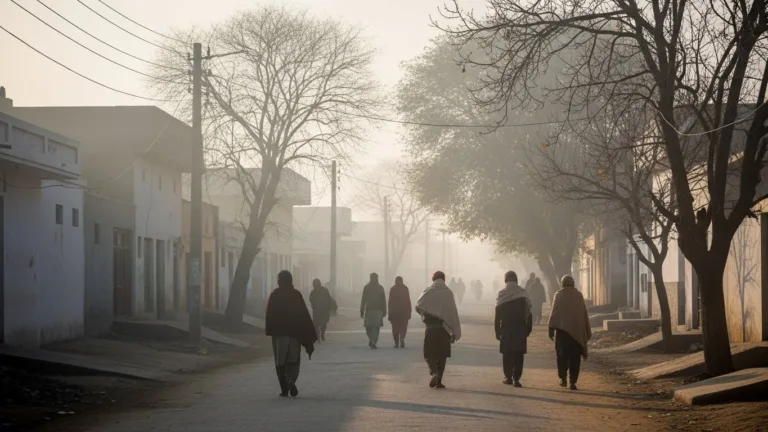
Imagine waking up one morning and suddenly needing to grab a sweater before heading outside. The air feels crisp, your breath makes little clouds, and you realize summer’s blazing heat is finally gone. If you live in Pakistan, this moment is something people eagerly wait for after months of scorching temperatures. But here’s a question that might seem simple at first: when does winter actually begin in Pakistan?
Unlike some countries where winter arrives with a sudden snowstorm or has an official calendar date that everyone follows, Pakistan’s winter season is a bit more complicated and way more interesting. The start of winter can vary depending on where you are in the country, and it doesn’t always follow the same schedule every year. At Multanfarms.com, we pay close attention to Pakistan’s seasons because they directly affect farming, livestock, and the food we grow and raise.
In this article, we’ll explore when winter typically arrives in different parts of Pakistan, what signals its beginning, and why understanding these seasonal changes matters. Whether you’re planning a trip, curious about climate patterns, or just wondering when you’ll need to dig out your favorite hoodie, you’re about to learn everything you need to know about Pakistan’s winter season.
The Official Start vs. The Real Start
Here’s where things get interesting: there’s a difference between when winter “officially” starts according to the calendar and when it actually feels like winter in Pakistan. On the calendar, winter in the Northern Hemisphere (which includes Pakistan) officially begins around December 21st or 22nd, a day called the winter solstice. This is the shortest day of the year, meaning it has the least amount of daylight and the longest night.
However, if you ask people living in Pakistan when winter really starts, you’ll get different answers depending on where they live. Most Pakistanis will tell you that winter weather typically begins showing up in mid-November, though some northern areas might feel the chill as early as late October. By the time the official winter solstice rolls around in late December, many parts of Pakistan have already been experiencing cold weather for weeks! It’s kind of like how summer vacation feels like it starts the moment school lets out, not when the calendar says summer officially begins.
The meteorological winter (that’s the term weather scientists use) in Pakistan generally runs from November through February. During these four months, temperatures drop significantly, especially at night, and you’ll definitely need warmer clothes to stay comfortable.
Northern Pakistan: Where Winter Comes Early
If you want to experience winter in Pakistan at its earliest and most intense, head to the northern regions. Areas like Gilgit-Baltistan, Azad Kashmir, Khyber Pakhtunkhwa, and the northern parts of Punjab start feeling winter’s grip in late October to early November. These mountainous regions are like Pakistan’s freezer, they get cold first and stay cold longest.
In places like Murree, Nathia Gali, and Swat Valley, you might even see the first snowfall in November, though heavier snowfall usually arrives in December and January. The temperature in these areas can drop below freezing (that’s 0°C or 32°F), and some mountain passes become completely blocked by snow. Imagine trying to walk through snow that’s taller than you are, that’s what happens in some of these northern valleys!
For the people living in these regions, preparing for winter is serious business. They stock up on firewood, make sure their homes are properly insulated, and get their warmest clothes ready. Farmers at places like Multanfarms.com who work in these areas have to adjust their farming schedules because the growing season is much shorter when winter arrives so early.
Central Pakistan: The Mid-November Shift
Moving down to central Pakistan, which includes cities like Islamabad, Rawalpindi, Lahore, and Faisalabad, winter typically makes its entrance in mid to late November. You’ll notice the change gradually at first. The mornings and evenings start getting cooler, and you might need a light jacket when you go outside. Then, as November turns into December, the temperature really starts to drop.
In these cities, winter doesn’t usually bring snow (except occasionally in Islamabad and Rawalpindi when cold fronts are really strong), but it definitely brings chilly weather. December and January are the coldest months, with temperatures sometimes dipping down to 2-5°C (35-41°F) at night. That might not sound super cold compared to places that get snow, but when you’re used to summer temperatures of 40°C (104°F), trust me, it feels pretty freezing!
The fog is another big part of winter in central Pakistan, especially in Punjab. Thick fog can roll in during December and January, making it hard to see more than a few feet ahead. It’s like walking through a cloud that’s decided to hang out at ground level. This fog affects travel, flights, and daily life, making winter in central Pakistan unique in its own way.
Southern Pakistan: Winter’s Gentle Touch
Down in southern Pakistan, particularly in Sindh and Balochistan provinces (including cities like Karachi, Hyderabad, and the coastal areas), winter is much milder and arrives later. The cooler weather typically doesn’t show up until late November or even early December. And honestly, what southern Pakistanis call “winter” might just feel like pleasant spring weather to someone from the north!
In Karachi, Pakistan’s largest city, winter temperatures rarely drop below 10°C (50°F), even at night. Daytime temperatures usually stay in the comfortable 20-25°C (68-77°F) range. This is perfect weather for outdoor activities, which is why you’ll see parks and beaches packed with people during the winter months. It’s like nature’s air conditioning has finally been turned on after months of sweltering heat.
However, even in these warmer regions, people still recognize winter as a distinct season. The humidity drops, the air feels fresher, and most importantly, you can actually sleep at night without sweating! For farmers in these regions, winter is an important growing season for certain crops that can’t survive the brutal summer heat.
What Signals Winter’s Arrival?
So how do people in Pakistan know winter is coming? There are actually several natural signs that locals have learned to recognize over generations. First, there’s the obvious temperature drop, especially noticeable in the early morning and late evening. You’ll start seeing people pulling out their sweaters and shawls, and street vendors begin selling roasted peanuts and sweet potatoes, which are popular winter snacks.
The wind patterns change too. Cold winds from the north start blowing down into Pakistan, bringing that crisp, fresh feeling to the air. In farming communities like those we work with at Multanfarms.com, farmers watch for these signs carefully because they indicate it’s time to plant winter crops like wheat, barley, and certain vegetables. Birds also change their behavior, with some migratory species arriving from colder regions to spend the winter in Pakistan’s relatively warmer climate.
Another interesting signal is the changing position of the sun. You might notice that the sun seems lower in the sky and that shadows are longer during winter months. This happens because of Earth’s tilt, and it’s one reason why winter days are shorter and nights are longer. It’s like the sun is taking shorter shifts and going home earlier each day!
Why These Dates Matter
You might be wondering, why does it matter exactly when winter starts? Well, the timing of winter has a huge impact on daily life in Pakistan. For students, winter means different school schedules, with many schools starting later in the morning because it’s too cold and dark early in the day. For farmers, knowing when winter arrives is crucial for planning what crops to plant and when to harvest them.
Winter’s timing also affects energy consumption. When temperatures drop, people use more natural gas and electricity for heating, which can sometimes lead to shortages. Understanding when winter typically begins helps utility companies and the government prepare for increased demand. It’s all connected, like pieces of a puzzle that fit together to make sense of Pakistan’s seasonal rhythm.
For families, winter’s arrival means changing daily routines, from what clothes you wear to what foods you eat. Winter in Pakistan is famous for warm, hearty dishes like haleem, nihari, and chai (tea), which taste extra delicious when it’s cold outside. It’s also the season for festivals, weddings, and outdoor gatherings since the weather is perfect for celebrations.
Climate Change and Shifting Patterns
Here’s something important to know: winter’s start date in Pakistan isn’t as predictable as it used to be. Climate change is affecting weather patterns worldwide, and Pakistan is no exception. Some years, winter arrives later than expected. Other years, it might be milder or shorter than usual. Scientists have noticed that average temperatures are gradually increasing, which means winter seasons might be getting shorter overall.
This unpredictability creates challenges, especially for farmers who rely on consistent seasonal patterns to plan their planting and harvesting. At Multanfarms.com, we’ve had to adapt by paying closer attention to actual weather conditions rather than just following traditional calendar dates. It’s like trying to hit a moving target, you have to stay alert and be ready to adjust your plans.
The Big Picture
Understanding when winter starts in Pakistan isn’t just about marking a date on the calendar. It’s about recognizing the complex relationship between geography, climate, and daily life in a diverse country that stretches from towering mountains to coastal plains. Whether winter arrives in late October in the northern mountains or not until December in the southern cities, each region experiences this season in its own unique way.
The beauty of Pakistan’s winter is its variety. In a single day during winter, you could theoretically experience snow in the northern mountains, pleasant cool weather in central cities, and mild, sunny conditions in the south. This diversity makes Pakistan’s winter season fascinating and reminds us how geography shapes the world around us.
So, when does winter start in Pakistan? The answer is: it depends on where you are, but generally between late October and early December. Now you know not just the dates, but the reasons behind them and how they affect millions of people’s lives.
What’s winter like where you live, and how does it compare to the diverse winter experiences across Pakistan?