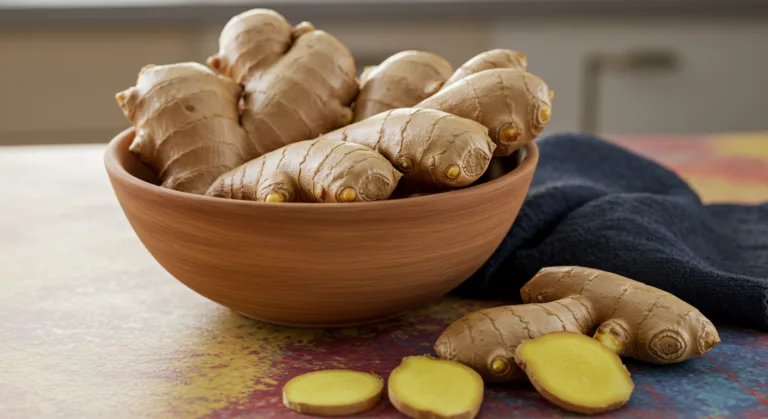
Have you ever bitten into a piece of fresh ginger and felt that intense, fiery kick that makes your eyes water and your taste buds dance? That burning sensation isn’t just random, it’s actually a sign that you’re experiencing one of nature’s most incredible healing plants at its absolute peak! Most people think ginger is just something you find in the spice aisle at the grocery store, but there’s actually a specific time of year when this amazing root is at its freshest and most powerful.
Ginger season is like nature’s own schedule for when this super-root is ready to be harvested and enjoyed. Just like how apples taste best in fall and strawberries are sweetest in summer, ginger has its own special time when it’s packed with the most flavor, nutrients, and that signature spicy kick we all know and love. Understanding when ginger season happens can help you get the freshest, most delicious ginger possible, whether you’re using it for cooking, making tea, or even helping with an upset stomach.
What makes ginger season even more exciting is that it varies depending on where you live in the world. In places like Pakistan, including areas around Multan where farms like Multanfarms.com operate, ginger season follows a completely different timeline than it would in other countries. By the end of this article, you’ll know exactly when to look for the best ginger, why timing matters so much, and how you can make the most of this incredible season!
What Exactly Is Ginger Season?
Think of ginger season like the grand finale of a fireworks show, it’s when all the months of growing and developing finally pay off with the most spectacular results. Ginger season refers to the time of year when fresh ginger roots are harvested from the ground and are at their absolute best in terms of flavor, freshness, and nutritional value.
Unlike the dried, powdered ginger you might see in your kitchen spice rack, fresh ginger during harvest season is like comparing a fresh apple to apple chips. The fresh stuff is juicy, fibrous, and has this amazing zing that can wake up all your senses at once. During ginger season, the roots are so fresh that they’re still slightly soft and have this incredible moisture content that makes them perfect for cooking and healing remedies.
The timing of ginger season depends entirely on when farmers plant their ginger crops. Ginger is pretty picky about its growing conditions, it likes warm, humid weather and takes about 8-10 months to fully develop underground. It’s kind of like how some people are morning people and others are night owls, ginger has its own preferred schedule for when it wants to grow and when it’s ready to be harvested.
The Perfect Growing Cycle: From Planting to Harvest
Understanding the ginger growing cycle is like watching a really slow-motion magic trick that takes almost a year to complete. The process starts when farmers plant small pieces of ginger root, called “seed ginger,” in the soil. These aren’t actually seeds like you might plant for flowers, but rather small chunks of mature ginger root that will grow into entirely new plants.
The planting usually happens during the warmer months when the soil temperature is just right. In Pakistan and other South Asian countries, this often means planting between March and May, when the weather starts getting consistently warm but before the really intense summer heat kicks in. The baby ginger plants are super sensitive to cold, so timing the planting is crucial for a successful harvest.
Once planted, the ginger goes through several growth stages that are pretty fascinating to watch. First, green shoots pop up from the soil like little green soldiers standing at attention. Then the plant develops beautiful, reed-like stems that can grow up to three or four feet tall. Meanwhile, underground where we can’t see it, the magic is really happening as the ginger root slowly expands and develops that signature spicy flavor we all love.
The harvest typically happens 8-10 months after planting, which means if farmers plant in March or April, ginger season usually arrives between November and February. This timing works out perfectly because it’s when the weather starts cooling down, making the harvesting process more comfortable for workers and helping preserve the quality of the fresh ginger.
Regional Differences: When Ginger Season Happens Around the World
Here’s where things get really interesting, ginger season isn’t the same everywhere in the world! It’s like how Christmas happens on the same date everywhere, but the weather during Christmas is completely different if you’re in Australia versus Canada. Ginger season follows the local climate and growing conditions of each region.
In countries like India and Pakistan, including areas like Punjab where Multanfarms.com operates, ginger season typically runs from November through February. This is because the planting happens during the pre-monsoon period, and the harvest comes after the monsoon rains have helped the ginger grow big and strong. The cooler winter months are actually perfect for harvesting because the ginger stores better in cooler temperatures.
In other parts of Asia, like Thailand and China, ginger season might happen at slightly different times depending on their local climate patterns. Some regions can even have two ginger seasons per year if the weather conditions are just right! It’s like having two birthdays in one year, which would be pretty awesome.
In places with more temperate climates, like parts of the United States, ginger season usually happens in late fall, around October and November. The key is that ginger needs warm weather to grow but cooler weather for the best harvest conditions. It’s nature’s way of making sure we get the highest quality ginger possible.
Why Fresh Ginger During Season Beats Store-Bought Any Day
Have you ever noticed how a strawberry you pick yourself from a strawberry patch tastes a million times better than one you buy at the store? The same principle applies to ginger, and the difference is absolutely mind-blowing. Fresh ginger during peak season has this incredible combination of spiciness, sweetness, and aromatic oils that you simply can’t get from ginger that’s been sitting around for months.
When ginger is freshly harvested during its peak season, it contains the highest levels of gingerol, which is the compound that gives ginger its signature spicy kick and most of its health benefits. Think of gingerol like the superhero power inside ginger, and fresh, seasonal ginger has this superhero at full strength. As ginger gets older and sits in storage or on store shelves, these beneficial compounds gradually decrease.
Fresh seasonal ginger also has this amazing texture that’s completely different from older ginger. It’s tender enough that you can actually eat thin slices of it raw without feeling like your mouth is on fire, but it still has that incredible zing that wakes up your taste buds. The skin is so thin and delicate that you can often scrape it off with just a spoon, unlike older ginger that requires serious peeling with a knife.
Another amazing thing about fresh seasonal ginger is how aromatic it is. When you cut into a piece of truly fresh ginger, the smell fills the entire kitchen with this warm, spicy, almost perfume-like scent. It’s so different from the subtle smell of older ginger that it’s like comparing a fresh rose to dried potpourri.
Health Benefits That Peak During Ginger Season
This is where ginger season gets really exciting from a health perspective. Fresh ginger during peak season isn’t just tastier, it’s actually significantly more beneficial for your body. It’s like the difference between taking a vitamin that’s fresh versus one that’s been sitting in your medicine cabinet for two years.
The anti-inflammatory properties of ginger are at their strongest when the ginger is freshly harvested. This means that fresh seasonal ginger is particularly good for helping with things like sore throats, upset stomachs, and even muscle soreness after exercise. Many people find that fresh ginger tea made during ginger season works better for settling their stomach than tea made with older ginger.
Fresh ginger during season also contains higher levels of antioxidants, which are like tiny bodyguards that protect your cells from damage. These antioxidants help boost your immune system, which is pretty convenient since ginger season often coincides with cold and flu season in many parts of the world. It’s like nature has perfect timing!
One of the most noticeable differences is how effective fresh seasonal ginger is for nausea and motion sickness. Many people who struggle with car sickness or feel queasy during airplane rides find that fresh ginger works much better than older ginger or ginger supplements. The higher concentration of active compounds in fresh ginger makes it more potent and effective.
Making the Most of Ginger Season in Your Kitchen
When ginger season arrives, it’s like having a superpower ingredient that can transform your cooking from ordinary to extraordinary. Fresh seasonal ginger has this incredible ability to add depth and complexity to both sweet and savory dishes in ways that older ginger simply can’t match.
One of the best ways to take advantage of ginger season is to make fresh ginger tea, which is completely different from any ginger tea you’ve ever had from a tea bag. You simply slice thin pieces of fresh ginger, add hot water, and let it steep. The result is this amazing, warming drink that’s perfect for cold weather and has actual therapeutic benefits for your digestive system.
Fresh seasonal ginger is also incredible in cooking because you can use it in ways that would be too intense with older, more concentrated ginger. You can add larger pieces to soups and stews, knowing that the flavor will be perfect rather than overwhelming. You can even make candied ginger at home, which is like creating your own natural candy that’s actually good for you.
Many families have traditions around ginger season, like making large batches of fresh ginger paste that they freeze for use throughout the year. Others dry thin slices of fresh ginger to create their own ginger powder that’s far superior to anything you can buy in stores. It’s like preserving a little bit of ginger season magic to enjoy all year long.
Finding and Storing Fresh Seasonal Ginger
Knowing when ginger season happens in your area is only half the battle, you also need to know how to find the best fresh ginger and keep it fresh once you get it home. Local farms and farmers markets are usually your best bet during ginger season, as they often have ginger that was harvested just days or even hours before you buy it.
When you’re shopping for fresh seasonal ginger, look for roots that feel heavy for their size and have smooth, tight skin without any wrinkled or soft spots. The skin should be thin enough that you can scrape it off with your fingernail, and the ginger should have a strong, fresh aroma when you smell it.
Storing fresh ginger properly can help you enjoy ginger season for weeks or even months. Fresh ginger keeps best in a cool, dry place, and you can even freeze whole pieces for later use. Some people wrap fresh ginger in paper towels and store it in the refrigerator, while others prefer to keep it at room temperature in a basket with good air circulation.
The Future of Ginger Season and Sustainable Farming
As more people become interested in eating seasonal, locally-grown foods, ginger season is becoming increasingly important for farmers and consumers alike. Farms like those connected to Multanfarms.com are working to provide fresh, seasonal ginger that supports local communities while maintaining the highest quality standards.
Understanding and celebrating ginger season also helps support sustainable farming practices. When you buy ginger during its natural season, you’re supporting farmers who work with nature’s rhythms rather than trying to force year-round production that might require more resources or result in lower quality products.
The next time ginger season rolls around in your area, you’ll be ready to make the most of this incredible opportunity. Whether you use fresh ginger for cooking, making healing teas, or just enjoying the amazing flavor and aroma, you’ll be connecting with a tradition that goes back thousands of years while supporting your local farming community. What will you make with fresh seasonal ginger when the season arrives?