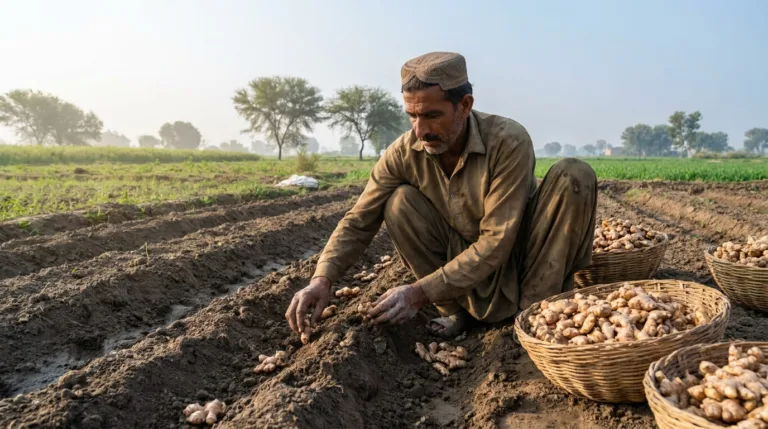
Have you ever bitten into a piece of ginger and felt that zingy, spicy kick? That fiery root sitting in your kitchen isn’t just a flavor booster, it’s actually one of the most profitable crops farmers can grow in Pakistan! But here’s the tricky part: plant ginger at the wrong time, and you might end up with a disappointing harvest. Plant it at just the right moment, and you could be looking at a seriously successful crop.
If you’re curious about growing ginger or you’re just starting your farming journey, understanding the perfect planting time is like having a secret weapon. The good news? Pakistan’s climate is actually pretty great for ginger, especially in certain regions. Let’s dig into everything you need to know about when to sow ginger seeds (or rhizomes, as they’re technically called) to get the best results possible.
Why Timing Matters So Much for Ginger
Think of planting ginger like throwing a party. If you send out invitations too early, people might forget. Too late, and everyone already has plans. Ginger is similar, it needs the perfect conditions to really thrive, and those conditions only show up during specific times of the year.
Ginger is a tropical plant that absolutely loves warmth and moisture. It’s like that friend who always complains when it’s cold outside! The plant needs warm soil to start growing, plenty of rain or irrigation to develop its roots, and enough time before winter hits to actually produce those thick, juicy rhizomes we use in cooking. If you plant too early when the soil is still cold, the rhizomes might just sit there and rot. Plant too late, and the growing season won’t be long enough for your ginger to mature properly.
The Best Months to Sow Ginger in Pakistan
So when exactly should you plant ginger in Pakistan? The sweet spot is from March to May, with April being the absolute best month for most regions. Here’s why these months work so well.
During March, April, and May, Pakistan is transitioning from cool winter weather into the hot summer months. The soil temperature is warming up (ginger likes soil that’s at least 20-25°C), and the monsoon season is just around the corner. This timing gives your ginger plants the warm, moist conditions they crave right from the start.
In areas like Multan, Faisalabad, and other Punjab regions, April is especially ideal because the temperature is consistently warm but not scorching yet. The heat gives the rhizomes energy to sprout, while the upcoming monsoon rains (which typically arrive in June or July) will provide the moisture your growing plants desperately need.
Understanding Pakistan’s Growing Seasons
Pakistan basically has three main seasons that affect farming: winter (November to February), summer (March to June), and monsoon (July to September), followed by a post-monsoon period. For ginger farming, you want to plant right before the monsoon season kicks in.
Here’s how it works: you plant your ginger rhizomes in March, April, or early May. The warm spring temperatures help them sprout and establish roots. Then, when the monsoon rains arrive, your ginger plants get the consistent moisture they need to really take off. By the time September and October roll around, the monsoon has ended, and your ginger has had about 7-9 months to grow, which is exactly how long it takes to mature!
Different regions might have slightly different timing though. In northern areas like Islamabad or parts of Khyber Pakhtunkhwa where it stays cooler longer, you might want to wait until late April or even early May. In warmer southern regions like Sindh, you could potentially start as early as late February or early March.
What Happens If You Plant at the Wrong Time?
Let’s say you’re super eager and decide to plant ginger in January or February. What happens? Well, the soil is probably too cold, and your rhizomes might actually rot before they even sprout. It’s like trying to grow a plant in your refrigerator, it’s just not going to work well.
On the flip side, imagine you wait too long and plant in June or July. Sure, you’ll have plenty of rain from the monsoon, but you’ve cut your growing season short. Ginger needs at least 7-8 months to develop properly. If you plant in July, you’ll be harvesting in February or March the next year, and the crop might not have had enough time to produce large, high-quality rhizomes. Plus, you’re dealing with extremely hot temperatures during the initial planting, which can stress the young plants.
The bottom line? Timing isn’t just important, it’s everything when it comes to ginger farming.
Preparing for the Perfect Planting Time
Once you know when to plant, you need to prepare properly. About a month before your planned sowing time (so probably in March if you’re planting in April), start getting your field ready. Ginger loves loose, well-drained soil that’s rich in organic matter. Think of it like making the perfect bed, you want it soft, comfortable, and welcoming!
You should also select healthy rhizomes for planting. Look for pieces that are firm, free from disease, and have visible “eyes” or buds (those little bumps where new shoots will emerge). It’s similar to choosing good seeds for any other crop, starting with quality material makes a huge difference in your final harvest.
During this preparation time, test your soil’s pH level. Ginger prefers slightly acidic soil with a pH between 6.0 and 6.5. If your soil is too alkaline, you can add organic compost or sulfur to adjust it. At MultanFarms.com, many farmers recommend getting a soil test done before planting any major crop, and ginger is no exception.
Regional Variations Across Pakistan
Let’s break down the best sowing times for different regions because Pakistan is a big country with diverse climates!
Punjab (Multan, Faisalabad, Lahore): Mid-March to late April is perfect. The region has ideal temperatures during this time, and the upcoming monsoon provides excellent moisture.
Sindh (Karachi, Hyderabad): Late February to early April works well since it’s warmer here earlier in the year. Just make sure you have irrigation ready because Sindh doesn’t always get heavy monsoon rains.
Khyber Pakhtunkhwa (Peshawar, Swat): Late April to mid-May is better because the northern areas stay cooler longer. Wait for consistent warm weather before planting.
Balochistan: Early March to late April can work, but you’ll definitely need irrigation since this region is drier. Focus on areas with better water availability.
Why Ginger Is Worth Getting the Timing Right
You might be wondering, why go through all this trouble just for ginger? Well, here’s the exciting part: ginger is incredibly valuable! Pakistan imports a lot of ginger because local production doesn’t meet demand. If you grow it successfully, you can sell it for excellent prices in local markets.
Plus, ginger farming on platforms like MultanFarms.com shows that when done correctly, this crop can generate significant income per acre compared to traditional crops like wheat or rice. The market is hungry for locally grown, fresh ginger, and if you time your planting right, you’ll harvest exactly when demand is high (usually November through January when everyone wants fresh ginger for winter cooking and tea).
Making Your Ginger Growing Journey Successful
Timing is your first step toward ginger farming success, but it’s not the only factor. After planting at the right time, you’ll need to maintain consistent moisture (but not waterlogging), provide shade during the hottest summer months, and keep weeds under control. Think of it as raising a pet, you can’t just feed it once and forget about it!
The beautiful thing about starting with proper timing, though, is that you set yourself up for success from day one. Your ginger will have the best possible chance to develop strong roots, healthy foliage, and eventually, those thick, aromatic rhizomes that make all the effort worthwhile.
Time to Start Planning!
Now you know the secret! The ideal time to sow ginger in Pakistan is from March to May, with April being the golden month for most regions. This timing takes advantage of warming spring temperatures and positions your crop perfectly for the monsoon rains and a full growing season.
Whether you’re a student thinking about agriculture as a career, helping your family with farming decisions, or just curious about how food gets from the ground to your plate, understanding planting times is fascinating stuff. It shows how farmers have to think ahead, work with nature, and time everything just right.
So here’s a question for you: knowing what you now know about ginger’s growing needs, can you think of other crops that might have similar planting schedules? What about crops that would need completely different timing? Understanding these patterns is what separates good farmers from great ones, and who knows, maybe you’ll be the one growing amazing ginger crops in the future!