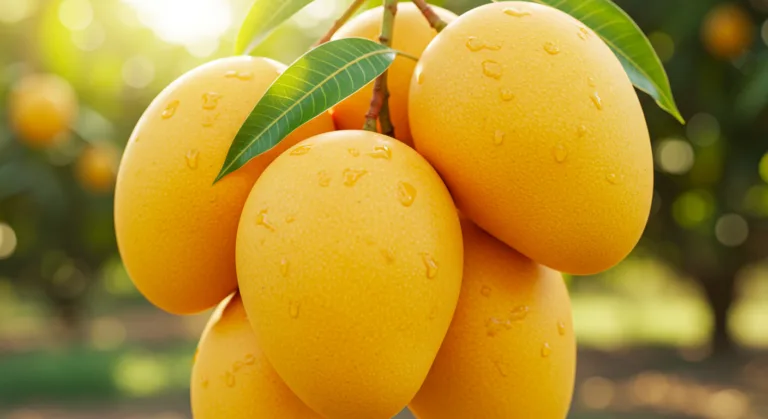
Have you ever wondered where the most delicious mangoes in the world come from? Picture this: you’re walking through a bustling marketplace, and the air is filled with the sweet, tropical smell of perfectly ripe mangoes. The golden fruit is everywhere, from tiny roadside stalls to massive wholesale markets, and everyone is talking about which variety tastes the best. Welcome to Multan, Pakistan’s incredible “City of Mangoes!”
What makes this even more amazing is that this isn’t just some random city that happened to start growing mangoes yesterday. Multan is one of the oldest inhabited cities of Asia, with a history stretching deep into antiquity, and it has been perfecting the art of mango cultivation for thousands of years. It’s like having a master chef who’s been perfecting the same recipe for centuries!
You’re about to discover why this ancient city became the undisputed mango capital of Pakistan, learn about the incredible varieties that make food lovers travel from around the world, and find out how geography, climate, and centuries of expertise came together to create something truly extraordinary.
The Ancient City with a Sweet Modern Fame
Before we dive into the mangoes, let’s talk about Multan itself. Multan was the capital and primary cultural centre of Punjab region in the bulk of; later ancient and medieval era. It was centre of many civilizations in its 5 millenia old history. That’s 5,000 years of continuous human civilization! To put that in perspective, when the ancient Egyptians were building pyramids, people were already living and farming in Multan.
Multan is the main producer of mangoes in Punjab and is famous as Mango City of Pakistan. But how did an ancient city become synonymous with this tropical fruit? The answer lies in a perfect combination of location, climate, and generations of farming knowledge passed down through families.
Think of Multan like nature’s perfect laboratory for growing mangoes. The city sits in a region where the climate is hot and dry, the soil is incredibly fertile, and the farmers have had literally thousands of years to figure out exactly how to grow the most amazing mangoes possible. It’s like having a family recipe that gets better with every generation!
The Geography of Greatness
The agricultural farmlands found in Multan produce wheat, cotton, mangoes, sugarcane and guavas, which contribute to Pakistan’s economy as well. But what makes this land so special for agriculture, especially mangoes?
Imagine you’re a mango tree looking for the perfect place to live. You’d want hot, sunny summers to make your fruit super sweet, fertile soil to give you all the nutrients you need, and just the right amount of water, not too much and not too little. Multan provides all of this in perfect balance.
The region around Multan is described as having flat plains that are ideal for agriculture, with the landscape dotted with citrus and mango farms as far as the eye can see. When you drive through the area during mango season, it’s like traveling through a golden-green paradise where every tree is heavy with fruit.
Benefitting from these gifts, the city earned the distinction of being the agricultural capital of Punjab, feeding the world with the finest varieties of mango. This isn’t just local pride talking, this is recognition from people all around the world who know quality fruit when they taste it.
The Star Players: Multan’s Famous Mango Varieties
Now let’s meet the superstars that made Multan famous. Many of the world’s most popular varieties of mangoes for export – for example Chaunsa, Langra, Desi, Sindhu – preferred for their taste, texture and shelf life, are already being produced in Pakistan. Each of these varieties has its own personality, kind of like how different musicians in a band each have their own unique style but together create something amazing.
Chaunsa is probably the most famous of all. Chaunsa Mango is among the most popular mangoes in Pakistan and worldwide due to its remarkable sweetness and juicy texture. It’s ripening season is from June to August. What’s really cool about Chaunsa is its history, The Chausa mango, also known as Bahist-e-Samar (“Paradise of fruits”), which literally means “Paradise of fruits.” That’s quite a reputation to live up to!
There are actually different types of Chaunsa mangoes. There are four known types of chaunsa mangoes: Mosami Chaunsa (Summer Bahisht), Kala Chaunsa (Black), Safaid chaunsa (White) and Azeem Chaunsa (Rattewala). It’s like having different flavors of your favorite ice cream, each one delicious in its own special way.
Anwar Ratol is another superstar from the region. Anwar Ratol is primarily found in the Punjab province of Pakistan and has a distinctive sweet taste and fragrance with fibreless flesh. The best thing about this variety? No annoying fibers getting stuck in your teeth! It’s like nature designed the perfect eating experience.
Why the World Can’t Get Enough of Multan Mangoes
Here’s something that might surprise you: the demand for Multan mangoes is so high that Due to high demand, it hits the markets for a very short duration in two bursts, once at the start of the mango season from May to June. People literally wait all year for these mangoes to come into season!
Best known as the king of mangoes due to its rich smell and sweetness. Exported to many states, including the USA, UK, and the Middle East. Think about that for a moment, mangoes grown in Multan are so good that people in countries thousands of miles away are willing to pay premium prices to have them shipped over.
Out of which Multan is the most renowned around the world for its mangoes, the quality of mangoes produced here is second to none. This isn’t just local bragging, this is international recognition of something truly special.
The secret isn’t just in the climate or soil, it’s also in the incredible knowledge and expertise of local farmers who have been growing mangoes for generations. They know exactly when to plant, how to care for the trees, when to harvest, and how to handle the fruit to preserve its quality. It’s like having a master class in mango growing that’s been running for hundreds of years.
Challenges in Paradise
Even paradise faces challenges, and Multan’s mango industry isn’t immune to modern problems. Pakistan is globally celebrated for its mangoes. But in recent years, several varieties have failed to produce the expected yield due to erratic weather conditions, including heatwaves, frost spells, hailstorms, windstorms, rains and floods.
Climate change is affecting mango production just like it’s affecting agriculture everywhere. Imagine you’re trying to bake a perfect cake, but someone keeps changing the temperature of your oven unexpectedly. That’s what climate change is doing to mango farmers, making their job much more difficult.
But here’s the inspiring part: farmers and scientists in Pakistan are working together to find solutions. They’re developing new techniques, creating climate-resistant varieties, and using modern technology while still preserving the traditional knowledge that made Multan famous in the first place.
The Economic Sweet Spot
Multan’s mango industry isn’t just about delicious fruit, it’s a major economic force that supports thousands of families and contributes significantly to Pakistan’s economy. When you buy mangoes from Multan, you’re supporting entire communities of farmers, packers, transporters, and exporters.
The mango business creates jobs throughout the year, even when mangoes aren’t in season. Farmers are preparing their orchards, maintaining equipment, and planning for the next harvest. It’s like a year-round cycle that keeps communities thriving.
International exports bring valuable foreign currency into Pakistan, helping the country’s overall economic health. When someone in London or New York bites into a perfectly sweet Chaunsa mango, they’re participating in a global trade network that starts in the orchards around Multan.
A Living Heritage
What makes Multan truly special as the “City of Mangoes” isn’t just the fruit itself, it’s the living heritage that connects ancient agricultural wisdom with modern farming techniques. Families pass down knowledge about mango cultivation from grandparents to grandchildren, creating an unbroken chain of expertise that spans centuries.
Walking through a mango orchard in Multan during harvest season is like stepping into a living museum where every tree tells a story of human ingenuity, natural abundance, and the patient work of countless generations. The farmers don’t just grow mangoes, they’re custodians of a cultural treasure that represents the best of what humans can achieve when they work in harmony with nature.
The Sweet Future
Multan’s reputation as the “City of Mangoes” continues to grow stronger each year. New varieties are being developed, farming techniques are being refined, and the city’s mangoes are reaching new markets around the world. It’s a perfect example of how tradition and innovation can work together to create something extraordinary.
The next time you taste a really exceptional mango, take a moment to think about its journey. There’s a good chance it began life in an orchard around Multan, where ancient wisdom meets modern agriculture to produce what many consider the world’s finest mangoes. From a 5,000-year-old city comes fruit that delights people in the 21st century, proving that some things really do get better with age.
So, which city has earned the title “City of Mangoes”? It’s definitely Multan, but now you know it’s much more than just a nickname. What other ancient cities do you think might have similar stories of turning their natural advantages into modern-day specialties that feed and delight the world?