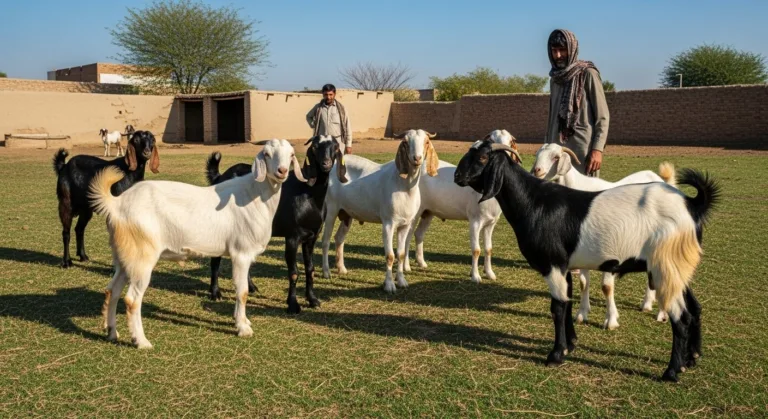
Have you ever thought about raising goats? Maybe you’ve seen those cute videos of baby goats jumping around, or perhaps you’ve heard that goats can be a smart way to earn some extra cash. But here’s the thing, not all goats are created equal when it comes to making money. Just like some dogs are better at herding sheep while others make perfect family pets, different goat breeds excel at different jobs. Some goats are champions at producing milk, others grow super fast for meat, and some have coats that turn into expensive fabric. So which goat breeds are actually worth raising if you want to turn a profit?
Whether you’re dreaming of starting your own farm someday or you’re just curious about how farming works, understanding the business side of goat raising is pretty fascinating. After all, farmers need to think like business owners, choosing animals that will help them succeed. Let’s explore the goat breeds that farmers consider their best investments and find out what makes them so special.
The Dairy Champions: Goats That Fill Your Wallet with Milk Money
When it comes to making money from goats, dairy goats are like the star students of the farm. These breeds produce tons of milk that can be sold fresh, turned into cheese, made into soap, or transformed into all sorts of valuable products. Think of them as the dairy cows of the goat world, except they’re smaller, easier to handle, and can thrive in places where cows struggle.
The Saanen goat is basically the superstar of milk production. Originally from Switzerland, these large white goats can produce up to three gallons of milk per day during their peak season. That’s like filling up twelve regular-sized water bottles every single day from just one goat! The best part? Saanen milk has a mild, pleasant taste that most people love, making it easy to sell.
Another fantastic choice is the Nubian goat, which you can recognize by its long, floppy ears and Roman nose (that’s the fancy term for a nose with a bump in it). While Nubians don’t produce quite as much milk as Saanens, their milk is incredibly rich and creamy with a higher butterfat content. This makes it perfect for making fancy cheeses and premium dairy products that sell for higher prices. It’s like comparing regular milk to heavy cream, both are valuable, but one is richer and more expensive.
The Meat Makers: Goats Built for the Dinner Table
If dairy isn’t your thing, meat goats might be the profitable path for you. These breeds grow fast, get big quickly, and produce high-quality meat that’s actually healthier than beef or pork. In many parts of the world, goat meat (also called chevon or cabrito) is super popular and in high demand.
The Boer goat is hands-down the most profitable meat breed you can raise. Developed in South Africa, Boers are basically the bodybuilders of the goat world. They have stocky, muscular bodies with distinctive white bodies and reddish-brown heads. A Boer kid (that’s what you call a baby goat) can grow incredibly fast, reaching market weight in just a few months. Plus, Boer mothers are excellent at taking care of their babies, which means less work for the farmer and healthier kids that grow even faster.
What makes Boers extra valuable is their ability to thrive in tough conditions. They can handle heat, cold, and rough terrain better than many other breeds. It’s like having a super durable car that runs great whether you’re driving in the desert or the mountains. This toughness means lower vet bills and fewer problems, which translates directly to more profit.
The Fiber Producers: Goats Wearing Expensive Coats
Now here’s something you might not know: some goats are raised for their hair, not their milk or meat! These fiber goats produce luxurious materials that get turned into expensive clothing and accessories.
The Angora goat produces mohair, a silky, shiny fiber that’s used to make high-end sweaters, suits, and other fancy clothing. Imagine if your hair could be shaved off, turned into designer clothes, and sold for serious money, that’s basically what happens with Angora goats! A single Angora can produce 8 to 16 pounds of mohair per year, and this fiber sells for premium prices.
Even more impressive is the Cashmere goat, which produces one of the most expensive natural fibers in the world. You’ve probably heard of cashmere sweaters and how expensive they are, well, that ultra-soft material comes from these goats. The catch? Each goat only produces about four ounces of cashmere fiber per year, which is why cashmere products cost so much. It’s like mining for gold, you don’t get huge amounts, but what you do get is incredibly valuable.
The Multi-Purpose Champions: Goats That Do It All
Some farmers prefer goats that can do more than one thing well. These dual-purpose breeds are like the Swiss Army knives of the goat world, they’re good at multiple jobs, which gives farmers more options for making money.
The Kiko goat is a perfect example. Originally bred in New Zealand (their name means “meat” in Māori), Kikos are primarily meat goats, but they also produce decent amounts of milk and are incredibly hardy. They have excellent survival instincts, require minimal care, and their kids grow fast with very little help. For a farmer trying to maximize profit while minimizing expenses, Kikos are like finding a perfect balance.
Another versatile choice is the Alpine goat, a medium to large breed that excels at milk production but also provides good meat when needed. Alpines are known for being curious, friendly, and adaptable to different climates. They come in lots of different color patterns, which makes them visually interesting too. Some farmers find that having attractive, friendly animals actually helps them sell their products because people enjoy visiting their farms.
Making the Smart Choice: What Really Matters
So which breed is actually the most profitable? Well, here’s the truth: it depends on several factors. The best breed for making money depends on what you’re selling, where you live, and what resources you have available.
If you live near a city with lots of restaurants and people interested in farm-fresh dairy, those Saanen or Nubian dairy goats might be your best bet. If you’re in an area where goat meat is popular and in demand, Boer goats could make you the most money. And if you have the patience for fiber production and access to buyers who appreciate luxury materials, Angora or Cashmere goats might be your winners.
The most successful goat farmers usually consider these important questions: What’s the market demand in my area? How much space do I have? What’s my climate like? How much time can I dedicate to animal care? What am I passionate about? After all, you’ll be most successful raising animals you actually enjoy working with.
Your Future with Goats
Whether you’re seriously considering raising goats someday or just enjoyed learning about these amazing animals, understanding what makes certain breeds profitable teaches us something valuable about agriculture and business. Farmers don’t just randomly choose animals, they make strategic decisions based on market research, their environment, and their own skills and interests.
The next time you see goat cheese at the store, mohair clothing in a shop window, or goat meat on a restaurant menu, you’ll know exactly which breeds might have provided those products. Pretty cool, right?
So here’s a question to think about: If you had your own farm, which type of goat would you choose to raise, and why? Would you go for the dependable milk producers, the fast-growing meat goats, the luxury fiber providers, or the versatile multi-purpose breeds? The answer might tell you something interesting about your own personality and what matters most to you!