Imagine biting into a mango so sweet and juicy that it drips down your chin like a summer rain. The fruit explodes with flavor, filling your mouth with sunshine in every bite. Sounds amazing, right? Well, in Pakistan, there’s a place where these golden treasures grow in huge numbers, and people from all over the world come to taste them.
That spot is Multan, a bustling city in the heart of Punjab province. Nicknamed the “Mango City of Pakistan,” Multan isn’t just famous for its ancient forts and colorful shrines. It’s the top spot for growing some of the best mangoes you’ll ever try. In this article, we’ll dive into why Multan rules the mango game, what makes these fruits so special, and how you can get in on the fun. Get ready to learn about farms, flavors, and why this juicy secret matters to fruit lovers everywhere.
Why Does Multan Wear the Mango Crown?
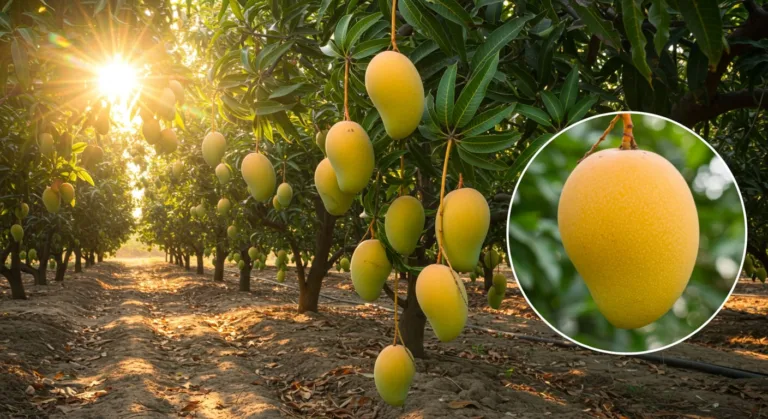
Picture a city where green orchards stretch as far as your eyes can see, like a giant blanket of leaves waving in the breeze. That’s Multan for you. This place sits in southern Punjab, where the soil is super fertile, almost like nature’s own recipe for perfect fruit. The air is warm and dry most of the year, with just the right amount of sun to help mango trees thrive. It’s no wonder Multan produces tons of these fruits every summer.
But here’s a fun twist: Multan didn’t always focus only on mangoes. Long ago, it was known as an agricultural hub for all sorts of crops, from cotton to veggies. Over time, farmers figured out that their land was magic for mangoes. Today, the city cranks out more mangoes than anywhere else in Punjab. Did you know Pakistan is the fifth-biggest mango maker in the world? And Multan leads the charge, shipping sweet treats to places like the Middle East and Europe.
What makes it stand out? It’s all about quality. The mangoes here have that perfect mix of size, color, and taste that makes your taste buds dance. If you’ve ever munched on a mango that tasted like candy from heaven, chances are it came from a Multan farm.
The Mango Magic: How These Fruits Are Born
Ever wonder how a tiny seed turns into a tree loaded with juicy orbs? Mango farming in Multan is like a slow-motion adventure. Farmers start with grafting, which is basically like giving a tree a high-five from another tree to make it stronger. They pick the best branches and join them to young roots. It’s a bit like how you might mix your favorite ice cream flavors to create the ultimate sundae.
Once planted, these trees need love and care. In Multan, the hot days and cool nights during spring help the flowers bloom into baby mangoes. Water from nearby rivers keeps everything hydrated, but farmers are smart about it, they don’t waste a drop. By May, the orchards look like a party with green fruits swelling up. Harvest time hits in June and July, when workers climb ladders to pick them by hand. Ouch, that sounds like a workout!
And get this: Multan farms use old-school tricks mixed with new tech. Some farmers even test soil like scientists in a lab to make sure the trees get the best food. It’s all to grow mangoes that are bigger, brighter, and bursting with flavor. Next time you see a mango basket, think of the teamwork behind it.
Meet the Stars: Top Mango Varieties from Multan
Okay, let’s talk varieties, because not all mangoes are created equal. In Multan, you’ll find stars like Chaunsa, the king of sweetness. This one has golden-yellow skin and flesh so soft, it’s like eating a cloud made of honey. People call it the “Paradise of Fruits” because of its rich smell and taste. Imagine your favorite dessert, but fruity and fresh, that’s Chaunsa.
Then there’s Sindhri, often dubbed the “Honey Mango.” It’s huge, sometimes as big as your fist, with pale skin that hides bright orange insides. One bite, and juice runs everywhere, it’s messy but oh-so-worth it. Farmers in Multan grow this one for export because it’s tough enough to travel far without bruising.
Don’t sleep on Anwar Ratol, though. This variety is smaller and greenish, but its flavor? Pure magic, like a tangy-sweet surprise that lingers on your tongue. And Langra, with its bumpy skin, tastes like a tropical vacation in fruit form. Multan grows over a dozen types, but these four are the crowd-pleasers. Which one would you try first? Pro tip: Mix them in a smoothie for the ultimate flavor bomb.
- Chaunsa: Sweet and aromatic, perfect for eating straight.
- Sindhri: Juicy giant, great for slicing into salads.
- Anwar Ratol: Tangy delight, ideal for pickles or chutneys.
- Langra: Bumpy beauty, awesome in lassis.
A Slice of Mango History in Pakistan
Mangoes have been around Pakistan longer than your grandparents’ stories. Legend says they came from India over a thousand years ago, carried by traders on camel caravans. In Multan, they’ve been a big deal since the Mughal emperors ruled, who loved fancy fruits at their feasts. One cool tale? A ruler named Sher Shah Suri named the Chaunsa after a battle win, calling it his victory treat.
Fast forward to today, and Multan hosts mango festivals that feel like a big block party. Think music, games, and stalls piled high with samples. These events started to celebrate the harvest and help farmers sell more. Did you know Pakistan exports millions of dollars worth of mangoes each year? Multan’s orchards play a huge role, turning a simple fruit into a national treasure.
It’s not all smooth sailing, though. Weather changes, like sudden rains or hot spells, can mess with the crop. But Multan farmers are tough, they adapt like superheroes. This history shows how a fruit can weave into a culture, becoming part of songs, festivals, and family picnics.
Fun Ways to Enjoy Multan’s Mango Magic
Now, let’s get to the good stuff: how to eat these gems! In Pakistan, mangoes aren’t just snacks, they’re stars in the kitchen. Start simple, peel and slice one for a snack that beats any candy bar. Or blend it into aamras, a thick shake mixed with milk and a sprinkle of cardamom, it’s like a hug in a glass.
For dinner, try mango chicken curry, where chunks of the fruit add sweet pops to spicy sauce. It’s an analogy for balance, like how sweet and sour work together in life. And don’t forget mango lassi, yogurt whipped with pulp for a cool drink on hot days. In Multan homes, families gather for “mango parties” in summer, sharing stories over platters.
If you’re feeling crafty, make pickle from unripe ones, tangy bites that jazz up rice. Or freeze slices for smoothies year-round. These ideas show mangoes aren’t picky, they fit into any meal. What’s your go-to way to munch on fruit?
From Farm to Your Fork: The Mango Journey
Ever trace where your food comes from? In Multan, it starts in the orchard and ends on your plate. After picking, workers sort the mangoes by size and ripeness, like picking teams for a game. Good ones go into crates for trucks heading to markets or airports.
But here’s a challenge: Getting them fresh worldwide is tricky. Pakistan uses special planes for exports, but costs add up. That’s where farms like those on Multanfarms.com shine, they focus on quality packing to keep fruits perfect. Imagine your mango traveling thousands of miles, still tasting like it was plucked that morning.
This journey matters because it supports thousands of jobs in Multan. Farmers, packers, and sellers all pitch in. Next time you grab a mango, you’re part of that chain. Cool, huh?
In wrapping up our mango adventure, remember Multan as Pakistan’s juicy jewel, home to Chaunsa, Sindhri, and more that make summers epic. From fertile soils to festival vibes, this city turns simple trees into sweet stories. Mangoes aren’t just food, they’re a taste of hard work, history, and happiness that connects us all.
So, why not hunt down a Multan mango next time you’re at the market? Or better yet, ask a grown-up about planning a trip to Pakistan’s Mango City. What’s the wildest fruit story you’ve got? Share it, and who knows, you might start your own mango obsession!