If you’ve ever collected fresh eggs from a backyard coop, you know there’s something special about that experience. But have you ever wondered what makes certain chickens such excellent egg producers? The answer lies in understanding layer birds, a specific type of chicken that’s been selectively bred over decades to do one job incredibly well, laying eggs consistently and reliably. Whether you’re thinking about starting a small farming operation, expanding an existing one, or simply curious about where your breakfast eggs come from, layer birds represent one of the most practical and profitable livestock choices available.
The beauty of layer birds is that they’re not complicated to understand or manage. They’re productive, relatively low-maintenance compared to other farm animals, and they fit perfectly into the agricultural landscape of Pakistan, especially here in the Multan region. For farmers looking to add income through egg production, or families wanting to become more self-sufficient, layer birds offer a straightforward path forward.
What Exactly Are Layer Birds?
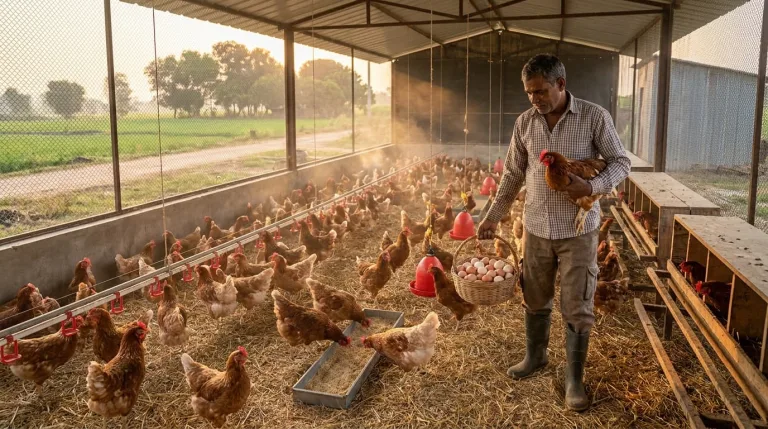
Layer birds are chickens specifically bred and raised for one primary purpose, producing eggs. Unlike broiler chickens that are raised for meat, or dual-purpose breeds that do both, layer birds are engineering marvels of selective breeding focused entirely on egg production. These birds have been developed through careful breeding programs over many generations to maximize their laying capacity while maintaining overall health and productivity.
The most common layer birds you’ll find in Pakistan include the Hy-Line Brown, Lohmann Brown, and local desi breeds that have been adapted to our climate. Each variety has its own characteristics, but they all share one thing in common, an impressive ability to convert feed into eggs at remarkable efficiency. A good layer bird will produce somewhere between 280 to 320 eggs per year during her productive lifetime, which is honestly astonishing when you think about it.
Why Layer Birds Make Economic Sense
From a pure business perspective, layer birds are hard to beat. The initial investment is relatively modest compared to other livestock operations, and the return on investment comes quickly and consistently. You don’t need massive amounts of space, expensive equipment, or specialized veterinary care. A small backyard setup can generate steady income or fresh eggs for your family, while larger commercial operations can become profitable businesses.
The feed conversion ratio for layer birds is excellent, meaning they turn the feed you give them into eggs very efficiently. This translates directly into cost savings. A layer bird typically eats between 100 to 130 grams of feed daily and produces an egg that’s worth far more than the cost of that feed. Over the course of a year, this efficiency adds up significantly. In the Multan region, where feed costs are reasonable and farmers have access to quality grain and supplements, layer farming becomes an even more attractive proposition.
Housing and Care Requirements
Layer birds aren’t demanding when it comes to their living space, but they do have minimum requirements that need to be met. Each bird needs approximately 3 to 4 square feet of floor space inside the coop, with well-ventilated housing that protects them from extreme weather and predators. The coop should have proper nesting boxes, roosting bars, and good drainage to keep the environment clean and healthy.
Temperature control is important, particularly in Pakistan’s climate extremes. During scorching summers, proper ventilation and shade become critical, while in winter months, you’ll want to ensure the coop doesn’t get too cold. Layer birds perform best when they have access to clean water at all times and a consistent feeding schedule. Many farmers in Multan have found that simple, well-designed coops work just as well as complicated expensive ones. What matters most is consistency and cleanliness.
The Nutrition Behind Consistent Egg Production
Feeding layer birds correctly is the foundation of consistent production. These birds need a diet specifically formulated for layers, containing the right balance of proteins, minerals, and vitamins that support egg production. Quality layer feed typically contains 16 to 18 percent protein, along with essential minerals like calcium and phosphorus that go directly into eggshell formation. Without proper nutrition, you won’t see the productivity these birds are capable of delivering.
Many farmers supplement commercial layer feed with green fodder, kitchen scraps, and grains from their own farms, which helps reduce costs while providing nutritional variety. The key is ensuring that whatever you feed your layers is balanced and nutritious. Layer birds will reward good nutrition with consistent, high-quality eggs, but they’ll also suffer quickly if nutritional needs aren’t met. In the Multan region, local farmers have access to good quality feeds and can source affordable grains and vegetables to supplement their flocks.
Health Management and Preventing Disease
Keeping your layer birds healthy requires basic preventive care and vigilance. Regular health checks, vaccination programs, and maintaining clean housing are the cornerstones of disease prevention. Most health problems in layer flocks arise from poor sanitation, inadequate ventilation, or stress. By maintaining clean water sources, regular coop cleaning, and good biosecurity practices, you can prevent most common problems before they start.
It’s worth investing time in learning about common poultry diseases, recognizing early warning signs, and knowing when to call in veterinary support. A sick bird that goes untreated can quickly spread problems to the entire flock, so early intervention saves money in the long run. Farmers in Multan have reliable access to veterinary services and quality medications, making disease management straightforward if you stay on top of it.
The Practical Reality of Layer Farming
Starting a layer farm isn’t complicated, but it does require planning and attention to detail. You need to decide how many birds you’ll keep, secure appropriate housing, establish feed supply lines, and set up a system for collecting and storing eggs. Many small-scale farmers start with just 20 to 50 birds to learn the basics before scaling up, which is a smart approach.
The daily work isn’t overwhelming either. Feeding and watering take minimal time, egg collection happens once daily, and periodic cleaning rounds out the basic tasks. Most farmers find that one person can manage 200 to 300 layer birds without difficulty, making this highly scalable. Whether you’re looking to earn supplementary income from a backyard flock or develop a more substantial commercial operation, layer birds adapt well to different scales of production.
Making the Right Choice for Your Farm
Layer birds represent one of the most straightforward paths to agricultural productivity in Pakistan. They’re proven, reliable, and deeply integrated into our farming traditions. Whether you’re in the Multan region or elsewhere in Punjab, you’ll find that local farmers have generations of experience raising layers successfully. The infrastructure, knowledge, and support systems for layer farming are well-established, making it easier than ever to get started.
If you’re ready to explore layer farming or looking to improve an existing operation, understanding your options and planning carefully will set you up for success. The investment is modest, the returns are consistent, and the satisfaction of producing your own eggs or contributing to your community’s food security is genuinely rewarding. Learn more about starting your layer operation by visiting Multanfarms.com, where you’ll find resources and support for all your agricultural needs.