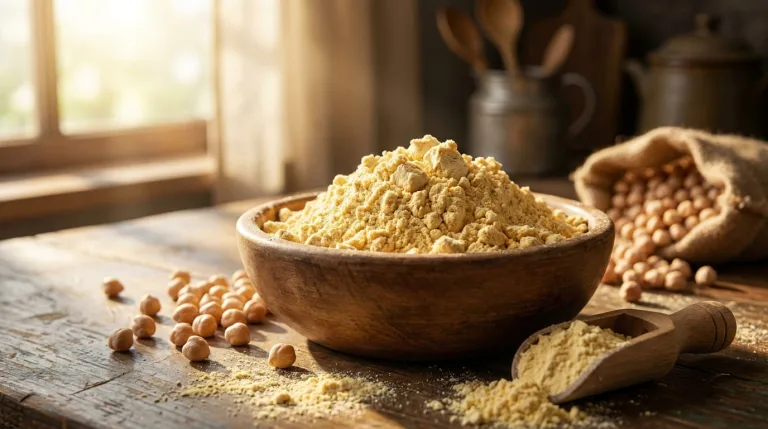
Have you ever looked at the ingredient list on a box of snacks and wondered what “besan flour” actually is? Maybe you’ve seen your mom or grandmother using it in the kitchen, or you’ve eaten delicious Indian foods without knowing what made them so tasty and fluffy. Well, you’re about to discover one of the most amazing flours used in kitchens all across South Asia, and honestly, it’s way cooler than it sounds.
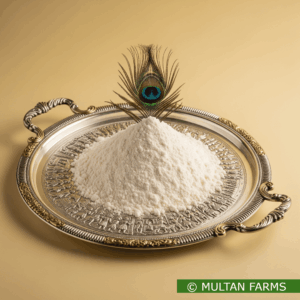
Besan flour might sound exotic or complicated, but it’s actually just a simple ingredient made from chickpeas. Think of it like this, if regular wheat flour is made from wheat grains, then besan flour is made from chickpeas. It’s been used in Pakistani and Indian cooking for thousands of years, and it’s become super popular all around the world because it’s healthy, delicious, and incredibly versatile. From crispy snacks to sweet treats, besan flour shows up in so many foods you probably already love.
So what makes besan flour so special that we’re diving into it today? Because understanding where our food comes from and what goes into it makes eating even more fun and interesting. Plus, you might discover your next favorite snack or learn why certain foods are so good for your body.
Where Does Besan Flour Actually Come From?
Let’s start with the basics. Besan flour comes from chickpeas, which are small, round legumes that have been grown in the Punjab region for literally hundreds of years. In Multan and other parts of Punjab, farmers have been cultivating chickpeas for generations because they grow really well in the local climate and soil.
To make besan flour, the chickpeas go through a pretty cool process. First, the dried chickpeas are cleaned to remove any dirt or damaged beans. Then, they’re split into smaller pieces to remove the outer skin or husk. After that, the remaining parts are ground into a super fine powder, and boom, you’ve got besan flour. It’s basically like taking something natural and turning it into a powder that’s perfect for cooking.
What’s really awesome is that nothing gets wasted in this process. The husks that are removed don’t just disappear, they’re actually used as animal feed. So from one chickpea, farmers get flour for cooking and food for livestock. That’s what we call using resources wisely.
Why Is Besan Flour So Good for Your Body?
Here’s where besan flour gets really impressive. When you eat besan flour, you’re getting tons of good stuff that your body actually needs. For starters, it’s packed with protein, which helps your muscles grow strong and keeps you feeling full and energized throughout the day.
Unlike regular wheat flour, besan flour also contains way more fiber. Fiber is like a cleaning crew for your digestive system, it helps everything move smoothly through your body and keeps you healthy from the inside out. Imagine fiber as tiny brushes that clean out your pipes, that’s basically what it does.
Besan flour also has important minerals like iron and magnesium, which your body uses for all kinds of important jobs. Iron helps carry oxygen through your blood so you don’t feel tired and sluggish, while magnesium helps your muscles and bones stay strong. Plus, if you can’t eat gluten, besan flour is naturally gluten-free, which means people with gluten sensitivities can still enjoy delicious foods made with it.
The best part? All of this nutrition comes from just grinding up chickpeas, so you’re eating something that’s basically just a plant. No weird chemicals or strange additives, just pure, natural goodness.
What Foods Can You Make with Besan Flour?
Now let’s talk about the fun part, all the amazing things you can create with besan flour. In Pakistani and Indian cooking, besan flour is a superstar ingredient that shows up in so many different dishes.
One of the most popular uses is making pakora, those golden, crispy snacks that are absolutely addictive. Pakora is basically besan flour mixed with spices, vegetables like onions or potatoes, and water to make a thick batter. Then you drop spoonfuls of this batter into hot oil, and it fries up into these incredibly crispy, crunchy treats that are impossible to eat just one of.
Besan flour also makes amazing sweets. There’s a traditional dessert called besan barfi, which is kind of like fudge but made with besan flour, ghee (which is clarified butter), and sugar. It’s rich, sweet, and absolutely delicious. Think of it as a fancy version of a candy that actually has some nutritional value.
You can also use besan flour to make pakwan, which is a savory snack that’s crispy and flaky on the outside and soft on the inside. It’s the kind of snack you could eat while playing video games or watching movies with your friends.
Even bread gets better with besan flour. Some traditional breads use besan flour mixed with regular flour to create something more interesting and with better nutrition than plain wheat bread. It adds a slightly nutty flavor that makes everything taste richer and more special.
How Is Besan Flour Different from Other Flours?
You might be wondering how besan flour stacks up against all the other flours out there. The difference is actually pretty huge. Regular wheat flour comes from wheat grains, while besan flour comes from chickpeas, so right there they’re completely different starting ingredients.
Because of this difference, besan flour has a totally different taste, texture, and nutritional profile. It has a slightly earthy, nutty flavor that wheat flour just doesn’t have. When you cook with it, things get crispier and more flavorful in a way that’s really hard to describe unless you’ve tasted it yourself.
Another major difference is that besan flour won’t rise the same way wheat flour does when you add yeast to it. This is why you mostly use besan flour for snacks, sweets, and certain breads rather than puffy, yeasty pastries. It’s like each flour has its own special job to do in the kitchen.
Why Should You Know About This?
Learning about where your food comes from isn’t just about being smart, though it definitely makes you smarter. It’s about understanding your culture, appreciating the farmers who grow these amazing ingredients, and knowing what you’re putting in your body.
Besan flour represents thousands of years of agricultural tradition in places like Multan and Punjab. When you eat something made with besan flour, you’re connecting yourself to that history and to the people who have been farming chickpeas for generations.
Plus, understanding different ingredients makes you a better cook, a smarter food shopper, and someone who can make healthier choices about what you eat. Pretty cool, right?
The Bottom Line
Besan flour is basically ground-up chickpeas that have been transformed into one of the most useful cooking ingredients ever invented. It’s nutritious, delicious, versatile, and it’s been bringing flavor and substance to food for literally thousands of years.
Whether you’re snacking on crispy pakora, enjoying sweet besan barfi, or eating bread that’s a little bit more interesting because of besan flour, you’re experiencing something special. So next time you see besan flour at the store or in your kitchen, remember that it’s not just another ingredient, it’s a connection to tradition, nutrition, and delicious food all rolled into one.
Want to try cooking with besan flour yourself? Head over to Multanfarms.com to find high-quality besan flour and start your own kitchen adventures with this amazing ingredient.